I can't keep up with my weekend chaos — How a simple note-taking app brought me back in control
We’ve all been there — Saturday mornings filled with good intentions, only to end up stressed, scattered, and wondering where the whole day went. I used to lose track of grocery lists, forget my son’s soccer schedule, and start Sunday night feeling more exhausted than when the weekend began. But everything changed when I stopped treating my weekends like free-for-alls and started using a note-taking app as my personal weekend co-pilot. It wasn’t about being perfect — it was about peace. And honestly, it transformed not just my productivity, but my entire mood. I didn’t become superwoman overnight, but I did become calmer, more present, and a lot more in control of my time. If you’ve ever looked around on Sunday evening and thought, ‘What did I even do this weekend?’ — this is for you.
The Weekend That Broke Me
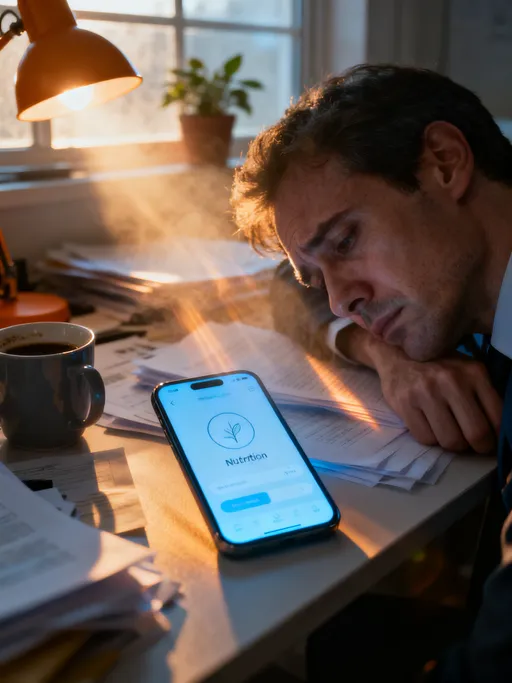
It was a Saturday in October — crisp air, golden light, the kind of day that should have felt magical. I had big plans: bake muffins with my daughter, take the dog for a long walk, get the grocery shopping done early, and maybe even squeeze in a face mask while the kids watched a movie. By noon, everything had unraveled. I forgot the apples for the muffins. My son’s soccer game started in 20 minutes, and I hadn’t even packed his water bottle. The dog had been waiting by the door for a walk since 9 a.m., and I was on my third cup of coffee, still in pajamas, scrolling through my phone trying to remember what I was supposed to do next.
Then came the call from my sister: “You forgot the birthday gift, didn’t you?” I had promised to drop it off by 11. I hadn’t even wrapped it. That was the moment I sat down on the kitchen floor, surrounded by half-written lists on sticky notes, and just cried. Not because of the missed errands or the forgotten gift — but because I felt like I was failing. Failing my family. Failing myself. I thought, ‘Why can’t I keep it together, even on my days off?’ I blamed my memory, my energy, my lack of motivation. But the truth was, I wasn’t broken — my system was. I was trying to hold too much in my head, and every little thing that slipped through the cracks made me feel heavier, more frazzled, more defeated.
That Saturday wasn’t an outlier. It was the breaking point of months — maybe even years — of trying to do it all without any real support system. I realized then that the chaos wasn’t just inconvenient. It was stealing my joy. It was making my time with my family feel rushed, reactive, and full of tension. I wanted weekends to feel like a breath, not a burden. And I knew something had to change — not my effort, but my approach.
Why Weekends Need Structure (Yes, Really)
I used to believe that weekends should be completely unplanned — a free zone from the rigidity of the workweek. I thought structure meant schedules, color-coded calendars, and rigid timelines. But what I’ve learned is that structure doesn’t have to be strict. It can be gentle. It can be flexible. And sometimes, it’s the very thing that makes real relaxation possible.
Think about it: when your weekend has no plan at all, every decision — what to eat, where to go, what to do — becomes a tiny mental tax. Psychologists call it decision fatigue. By Saturday afternoon, you’re so tired from making small choices that you either shut down or default to mindless scrolling. Meanwhile, little tasks pile up — laundry, grocery shopping, school forms — until Sunday night feels like a second Monday.
But when you have even a loose framework, it’s like giving your brain a vacation from worrying. You don’t have to remember everything because your system does. You’re not constantly asking, ‘What’s next?’ because you’ve already decided — at least in broad strokes. I started thinking of my weekend plan not as a prison, but as a safety net. It holds the details so I don’t have to. And that freedom? That’s what allows me to actually enjoy the quiet moments — watching my daughter draw at the table, laughing with my husband over burnt pancakes, or just sitting with a book without my mind racing ahead.
A note-taking app became my tool for this gentle structure. It wasn’t about control. It was about clarity. Instead of trying to juggle ten mental to-do lists, I could offload them into one simple place. And the best part? I could adjust it anytime. If plans changed, I didn’t panic — I just edited the note. That flexibility made all the difference. Structure, I realized, wasn’t the enemy of spontaneity. It was its foundation.
Choosing the Right App (Without the Overwhelm)
When I first decided to try a note-taking app, I nearly talked myself out of it before I even started. I opened the app store and was instantly overwhelmed. So many options. So many features. Words like ‘syncing,’ ‘cloud storage,’ ‘end-to-end encryption’ — it felt like I needed a tech degree just to pick one. I almost gave up and went back to my sticky notes and paper planners. But then I reminded myself: I’m not trying to run a startup. I’m trying to remember the dog food and not miss my nephew’s recital.
So I simplified my search. I asked myself: what do I really need? Three things. First, it had to be easy to use — no complicated menus or hidden buttons. If I couldn’t figure it out in five minutes, it wasn’t for me. Second, it had to work on both my phone and my tablet. I don’t always have my laptop handy, and I needed to access my lists while I was out. Third — and this was a game-changer — I wanted voice-to-text. Because let’s be real: when you’re chasing a toddler or unloading groceries, typing is not happening.
I didn’t compare specs or read five-star reviews. I treated it like I would a new kitchen gadget — I tested it in real life. I downloaded a few free apps and used them for a week. One was too flashy, with so many features I never used. Another kept crashing. The one I stuck with? It’s simple, clean, and feels like an extension of my brain. It syncs automatically, so when I add a grocery item on my phone, it shows up on my tablet. And the voice feature? I can say, ‘Add eggs, bread, and dish soap’ while I’m folding laundry, and it writes it down for me. No stress. No frustration. Just ease.
The lesson I learned: the best tech for your life isn’t the most advanced. It’s the one that fits. It disappears into your routine so you don’t even notice it’s there — until you realize how much smoother everything runs.
Building My Weekend Ritual: Friday Night Setup
The real shift didn’t happen when I downloaded the app. It happened when I built a tiny ritual around it. Every Friday at 7 p.m., my phone buzzes with a reminder: ‘Weekend mode: activate.’ That’s my cue to pour a cup of tea, sit down for ten minutes, and open my note-taking app. No distractions. Just me and my weekend plan.
I start by glancing at the family calendar — anything important this weekend? Soccer game on Saturday at 10? Check. Dentist appointment for my daughter Sunday morning? Got it. Then I think about meals. I jot down a few simple ideas: ‘Pasta with garlic bread,’ ‘Taco night,’ ‘Leftovers.’ I don’t plan every meal perfectly — just enough to avoid that 6 p.m. ‘What’s for dinner?’ panic. Next, I list errands: pharmacy, dry cleaning, library drop-off. I keep it short — three to five things max. Then, the most important part: I write down one or two moments I want to savor. ‘Read with the kids before bed.’ ‘Call Mom.’ ‘Sit outside with coffee on Sunday morning.’
This ten-minute habit changed everything. Instead of waking up Saturday morning scrambling to remember what needed to be done, I start the day with a clear roadmap. I open the app, see my list, and feel calm. Not because everything is perfect — but because I’m prepared. And that sense of readiness? It’s like a quiet confidence. I’m not reacting to chaos. I’m guiding my weekend with intention.
My husband noticed the change right away. ‘You seem… lighter on weekends now,’ he said. And I am. Because I’m not carrying the weight of forgotten tasks in my head anymore. I’ve handed that burden to my app — and in return, I’ve gotten my peace of mind back.
Real-Time Rescue: How I Use It On the Go
The magic of the app isn’t just in planning — it’s in living. Once I started using it during the weekend, I realized how much mental space I’d been wasting just trying to remember things. Now, the app moves with me, like a quiet companion helping me stay on track without slowing me down.
Picture this: I’m in the grocery store, pushing the cart with one hand and holding my phone with the other. I glance at my list — milk, bananas, chicken — and check them off as I go. No crumpled paper, no frantic texting my husband to confirm if we need rice. It’s all right there. And if I remember something mid-aisle — ‘Oh, we’re out of coffee filters!’ — I just tap the mic and say it. The app writes it down. Done.
Or this: I’m on the phone with my mom, and she mentions my niece’s birthday next week. Instead of thinking, ‘I’ll remember that,’ and knowing I won’t, I pause for two seconds, open the app, and type: ‘Buy birthday gift for Lily.’ Later, I can add it to my errands list or set a reminder. No guilt. No last-minute panic.
One of my favorite features is sharing. I have a shared list with my husband called ‘Weekend To-Dos.’ If he remembers we need lightbulbs, he adds it. If I see that the kids’ art supplies are low, I add it. We both check it before heading out, and we can mark things off together. It’s small, but it’s powerful. It means we’re not duplicating efforts. We’re not blaming each other for forgotten tasks. We’re a team — supported by a simple list.
And when I’m driving? I use voice notes. ‘Call the vet about Max’s check-up.’ ‘Research summer camp options.’ ‘Find that recipe with the roasted vegetables.’ I speak it once, and it’s saved. Later, when I have a quiet moment, I’ll organize those notes into action items. It’s like having a personal assistant who never judges me for forgetting.
The Unexpected Gains: Calmer Mornings, Happier Family
I thought the app would help me get more done. And it did. But what I didn’t expect was how much more present I’d feel. Before, even when I was sitting at the dinner table, part of my brain was scanning a mental checklist: Did I pay the school fee? Did I sign the permission slip? Is there enough laundry for Monday? Now, when I’m with my family, I’m really with them. I’m not mentally elsewhere. I’m listening. I’m laughing. I’m noticing the little things — like how my son now sets the table without being asked, or how my daughter tells long, imaginative stories at bedtime.
My kids have even started using the idea of the app as a comfort. ‘Is the movie night on the app?’ my daughter asked one Friday. When I said yes, she smiled and said, ‘Oh, good. Then it’s real.’ To her, seeing it written down meant it was going to happen. And that gave her a sense of security. It’s funny — I started using the app to manage my stress, but it ended up giving my kids a little more peace too.
I also have more energy for spontaneity. Because the basics are handled, I can say yes to the unexpected. A friend texts: ‘Want to meet for coffee?’ Instead of panicking about what I haven’t done, I check the app, see that the groceries are bought and the laundry is done, and say, ‘Yes!’ That freedom — the freedom to be flexible — has brought so much joy back into my weekends.
And here’s the biggest surprise: I’m more patient. When something goes wrong — the pancakes burn, the park is crowded, the dog tracks mud into the house — I don’t spiral. I take a breath and move on. Because I’m not already running on empty. I’m not carrying the weight of a hundred forgotten tasks. I’m grounded. And that calm, I’ve realized, is contagious. It ripples through my family and makes our time together feel lighter, warmer, more connected.
Making It Stick: Your Turn to Reclaim Your Weekends
If you’re reading this and thinking, ‘That sounds nice, but I’m too busy to set up an app,’ I get it. I felt the same way. But here’s what I’ve learned: you don’t have to do it all at once. Start small. This Friday, set one reminder. Open the app. Write down three things for the weekend — anything. Groceries. A phone call. A moment you want to enjoy. That’s it. You don’t need to be perfect. You don’t need to use every feature. Just begin.
And don’t worry about choosing the ‘right’ app. Pick one that feels easy. Test it for a week. If it doesn’t work, try another. This isn’t about tech. It’s about creating a little more breathing room in your life. It’s about giving yourself permission to let go of the mental load so you can show up as the calm, present, joyful version of yourself.
Because that’s the real win here. It’s not about checking off more boxes. It’s about waking up on Sunday afternoon and actually feeling rested. It’s about looking around and thinking, ‘I’ve got this.’ It’s about having the space to laugh, to connect, to just *be* with the people you love — without the background hum of worry.
Your weekends don’t have to be chaotic. They can be calm. They can be joyful. They can be yours. And sometimes, all it takes is one simple tool to help you remember what really matters — and to give you the freedom to enjoy it.