Why Are You Still Drowning in Emails When One Tool Can Clear the Clutter?
How many times today did you check your email—just to feel more overwhelmed? You're not alone. Between work updates, family messages, and endless newsletters, your inbox feels like a never-ending to-do list. But what if managing it didn’t have to drain your energy? I used to spend hours sorting, replying, and missing important notes—until I found a smarter way. This isn’t about working harder. It’s about using tools that work *for* you, so you can focus on what truly matters—your time, your peace, your life.
The Hidden Cost of a Full Inbox
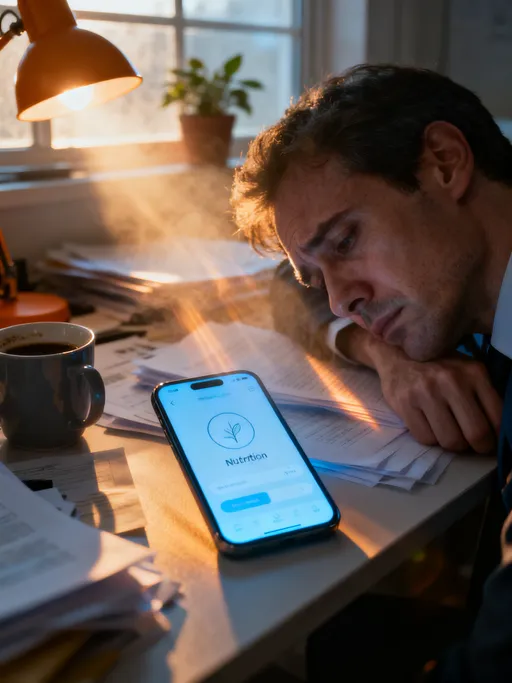
Imagine this: it’s 7 a.m., and before you’ve even poured your coffee, you glance at your phone. There it is—another 15 new emails. By 9 a.m., that number has climbed to over 100. Your heart starts racing a little. You tell yourself you’ll get to them later, but the weight is already there, pressing on your chest. That full inbox? It’s not just clutter. It’s a silent stressor, chipping away at your focus, your mood, and your sense of control. And you’re not imagining it—research shows that constant email checking spikes cortisol, the stress hormone. It’s like living with a tiny alarm bell that never turns off.
But the real cost isn’t just in lost minutes. It’s in the moments that slip away. It’s the bedtime story you rush through because you’re mentally still sorting client requests. It’s the family dinner where you’re physically present but mentally scanning your inbox. It’s the hobby you’ve been meaning to restart, the walk you keep postponing, the quiet morning you dream of but never seem to get. Email overload steals more than time—it steals presence. And for someone like you, who’s likely balancing work, home, and personal dreams, that loss cuts deep. The guilt of not responding fast enough, the anxiety of missing something important, the fatigue of always being 'on'—these aren’t just annoyances. They’re signs that your digital life is running you, not the other way around.
And let’s be honest—no one taught us how to handle this. We were handed email like it was simple, like it wouldn’t grow into this monster. But now, years in, we’re expected to manage it all with no training, no support, just endless 'reply all' chains. The truth is, you’re not failing. The system is. And it’s time we stop blaming ourselves and start fixing the tools.
From Overwhelm to Order: A Real-Life Turnaround
I remember the exact moment I hit my breaking point. It was a Sunday evening. My daughter was asking me to help with her science project, and I kept saying, 'Just one minute, sweetie,' while I scrolled through yet another wave of unread messages. Then she said, 'You always say one minute, but it’s never just one.' That hit me like a punch. I wasn’t just behind on emails—I was behind on life.
The next morning, I decided to try something different. I’d heard about smart email tools—apps that could help organize, filter, and even suggest replies—but I’d always brushed them off as 'too techy' or 'not for someone like me.' But that day, I gave one a real shot. I set it up in less than 10 minutes. I didn’t change my email address. I didn’t have to learn a new system. I just let the tool start working in the background, like a quiet helper I didn’t know I needed.
Within a week, something shifted. My inbox wasn’t empty, but it felt manageable. The urgent stuff rose to the top. The newsletters? Quietly tucked away. The spam? Gone. I started sleeping better because I wasn’t lying in bed, mentally rehearsing replies. I began having actual conversations at dinner because I wasn’t half-listening while checking my phone. And that science project? We finished it together, laughing, without a single 'just one minute.'
This wasn’t magic. It wasn’t a productivity guru’s secret. It was just one small change—a tool that worked with me, not against me. And the ripple effect was bigger than I ever expected. I had more energy. I felt calmer. I started saying 'yes' to things I’d been too drained to consider—like joining the PTA, taking a painting class, or just sitting quietly with a book. That one tool didn’t just clean my inbox. It gave me back my time, my focus, and my peace.
How Smart Tools Actually Work (Without the Jargon)
Now, I know what you might be thinking: 'This sounds great, but isn’t it complicated? Do I need to be a tech expert?' The answer is a firm no. These tools aren’t designed for coders or Silicon Valley engineers. They’re built for real people—people juggling kids, jobs, aging parents, and a million little things in between. And they work quietly, like a personal assistant who never gets tired.
Think of it this way: every day, your email is like a pile of mail on your kitchen table. Some letters are bills that need immediate attention. Some are flyers you’ll never read. Others are heartfelt notes from family. Without help, you sort them all yourself, every single day. But what if you had someone who could automatically put the bills in a 'pay me now' folder, file the flyers in recycling, and hand you the family letter with a warm smile? That’s what a smart email tool does.
It learns what matters to you. It sees that emails from your boss usually need a faster reply, so it flags them as important. It notices that the weekly yoga newsletter never gets opened, so it tucks it away where it won’t distract you. It even understands that 'homework update' from your child’s teacher is worth a quick glance, while 'you’ve won a free cruise!' is pure noise. Over time, it gets better and better at reading your patterns—like a friend who knows your habits without you having to explain.
And here’s the best part: you’re still in control. You decide what gets priority. You can tweak the settings anytime. It’s not about handing over your life to a robot. It’s about having a little help so you can spend less time managing messages and more time living.
Making It Work for Your Life, Not Against It
One size doesn’t fit all—and that’s true for email tools, too. The beauty of these apps is that they adapt to *your* rhythm, not the other way around. Whether you’re a stay-at-home mom coordinating playdates and school events, a remote worker juggling time zones, or a caregiver managing appointments and updates, the tool can be shaped to fit your world.
Take Sarah, a teacher I spoke with. She was drowning in parent emails—questions about homework, permission slips, schedule changes. She’d spend hours each evening catching up, missing time with her own kids. Then she set up her email tool to create a 'Parent Updates' folder and used keywords like 'homework' and 'field trip' to auto-sort messages. She also turned on 'quiet hours' so notifications wouldn’t pop up during class or family time. Now, she checks those emails once a day, handles them in 20 minutes, and the rest of her evening is hers.
Or consider Maria, a freelance designer. Her clients were spread across the country, and she was always worried about missing a message in the chaos. She used the tool’s 'priority inbox' to highlight client emails and set up 'snooze' for follow-ups—so if she didn’t reply right away, the message would gently reappear the next day. No more forgotten deadlines. No more frantic searches. Just peace of mind.
The key is customization. You don’t have to do it all at once. Start with one folder. One rule. One setting. Maybe it’s filtering all school-related emails into a single space. Maybe it’s muting promotions so they don’t distract you during the day. The tool grows with you, learning as you go. And the more you use it, the smarter it gets—like a garden that blooms with a little consistent care.
Small Changes, Big Gains: Building Better Habits
Here’s a truth no one tells you: tools don’t fix everything on their own. They’re only as powerful as the habits you pair them with. But the good news? You don’t need a complete overhaul. Tiny, consistent actions—when paired with the right tool—can create lasting change.
Let’s say you start with a five-minute daily review. Every morning, with your coffee, you glance at your priority inbox. The tool has already sorted the noise from the need-to-knows. You reply to two urgent messages, snooze one for later, and archive the rest. That’s it. Five minutes. No marathon sessions. No Sunday night dread. And over time, that habit becomes automatic—like brushing your teeth or setting the table.
I remember when I first used the 'snooze' feature. I had an email from my sister about planning a family reunion. I wanted to reply, but I was in the middle of helping my son with math. Instead of letting it nag at me, I snoozed it for 8 p.m. When it popped back up, I was ready. I wrote a thoughtful reply, made plans, and felt good about it. No guilt. No stress. I actually said out loud, 'Wait, I don’t have to answer this now?' It sounds small, but that shift—from constant pressure to intentional response—changed everything.
Another powerful habit? The 'one-touch' rule. If you open an email and can reply in under a minute, do it. If not, decide: file it, snooze it, or delete it. No more 'I’ll get to it later'—a phrase that lives in the land of forgotten intentions. The tool helps by keeping those deferred messages visible, so they don’t vanish into the void.
These habits aren’t about perfection. They’re about progress. Some days, you’ll check email three times. Others, you’ll forget entirely. And that’s okay. The tool is there, quietly holding space, so you don’t have to.
Beyond the Inbox: Gaining Back Time and Peace of Mind
When your inbox stops being a source of stress, something remarkable happens: your mind clears. You start to notice things you hadn’t in a while. The way the light comes through the kitchen window in the afternoon. The sound of your partner laughing at a silly joke. The quiet joy of finishing a book in one sitting.
Because here’s the thing—email efficiency isn’t just about productivity. It’s about well-being. When you’re not constantly reacting to messages, you can finally be proactive about your life. You have the mental space to plan that weekend getaway, to start that blog you’ve been dreaming of, to call your mom just to say hi. You feel more in control—not because you’re doing more, but because you’re no longer being pulled in ten directions at once.
I’ve heard from so many women who’ve made this shift. One told me she started volunteering at her daughter’s school because she finally had the time. Another said she and her husband began having real conversations again—without phones on the table. A third started a small online shop, something she’d put off for years because she felt too busy. In every case, the change started with email. But it didn’t end there.
There’s a quiet confidence that comes from knowing your systems work. You’re not waiting for the next email to throw you off track. You’re not afraid of your inbox. And that sense of mastery? It spills over into everything—your work, your relationships, your self-worth. You start to believe that if you can fix this, you can fix other things too.
Starting Simple: Your First Step Today
I know it can feel overwhelming to start. You might think, 'I don’t have time to learn a new app.' But what if I told you it takes less time than making a grocery list? You don’t need to do everything at once. You just need to begin.
Here’s your first step: pick one thing. Just one. Maybe it’s creating a folder for family emails. Maybe it’s turning on a 'quiet hours' setting so you’re not disturbed after 8 p.m. Maybe it’s using the 'snooze' feature on one message today. Do it now, while you’re thinking about it. You don’t need to be perfect. You don’t need to change your whole life. You just need to take that first small action.
And when you do, celebrate it. Yes, celebrate. Because you’ve just taken a stand for your time, your energy, your peace. You’ve said, 'This matters.' And it does. Every minute you reclaim is a minute you can spend on something that truly fills your cup—whether that’s baking with your kids, walking in the park, or just sitting in silence with a cup of tea.
Technology doesn’t have to be the enemy. When used with intention, it can be your quiet ally—a helper that gives you back what you value most. You don’t have to drown in emails. You don’t have to choose between staying on top of things and being present with your life. You can have both.
So go ahead. Try one small thing today. Your calmer, clearer life is closer than you think.