Tired of Wasting Weekends on Crowded Tourist Spots? VR Lets You Explore the World in Hours
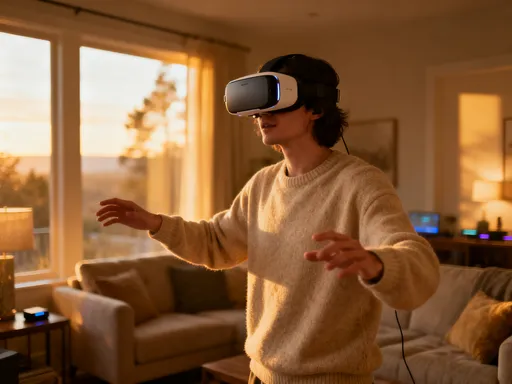
Imagine coming home after a long week, craving adventure—but not the 6-hour drive, packed airports, or endless lines. What if you could stand atop the Eiffel Tower, wander a Kyoto bamboo forest, or dive the Great Barrier Reef—all before dinner? Virtual reality isn’t just for gamers anymore. It’s becoming a quiet revolution in how we relax, learn, and reconnect. And the best part? It fits into your real life without stealing your time. You don’t need a passport, a babysitter, or even to change out of your comfy sweater. Just a few minutes, a simple headset, and suddenly, the world opens up—calmly, safely, beautifully. This isn’t escape. It’s reconnection. With yourself. With wonder. With life.
The Weekend Dilemma: Why We’re Always “Too Busy” to Escape
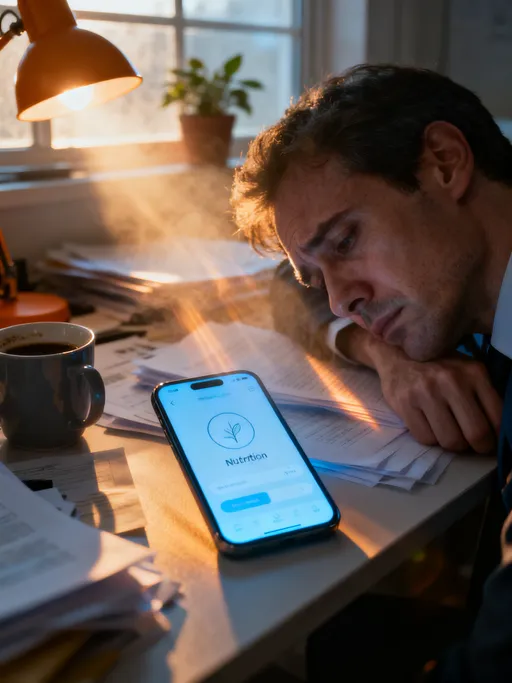
Let’s be honest—how many times have you looked at your calendar and thought, “I just need to get away”? Maybe it was while folding laundry for the third time that day, or during that endless drive to soccer practice, or right after saying “yes” to one more thing you didn’t have time for. We all want to travel, to see new places, to breathe different air. But between work deadlines, school schedules, grocery runs, and the never-ending to-do list, real vacations feel like luxuries we can’t afford—either with money or time.
And it’s not just about the cost of plane tickets or hotels. It’s the planning. The packing. The stress of flights, delays, lost luggage. The reality is, even a short trip can take days of prep and recovery. By the time you come back, you’re so tired you need a vacation from your vacation. I’ve been there—dreaming of Santorini sunsets while scrubbing spaghetti off the kitchen floor. That constant gap between what we want and what we can actually do? It wears on us. It chips away at our joy. We start to feel stuck, like life is passing us by while we’re stuck in the same four walls.
But here’s what I’ve realized: the longing to explore isn’t just about seeing new places. It’s about feeling alive. It’s about breaking routine, sparking curiosity, and remembering that the world is big and beautiful. When we don’t get that, even in small ways, we start to feel smaller too. Our energy dips. Our patience shortens. We forget to wonder. That’s why finding little ways to feed that desire—without upending our lives—is so important. And that’s exactly where virtual reality comes in, not as a replacement for real travel, but as a way to keep our spirits fed in between.
Meet VR: Your Pocket-Sized Passport to the World
Now, when you hear “virtual reality,” you might picture someone stumbling around the living room with a clunky headset, waving their arms like they’re fighting invisible dragons. But VR today is so much more user-friendly, gentle, and accessible than that. Think of it less like a video game and more like a window—one you can open anytime to step into another world. Modern headsets are lightweight, easy to set up, and designed for comfort. You don’t need to be tech-savvy. You don’t need a powerful computer. Most run on their own, connect to Wi-Fi, and guide you through setup with simple voice prompts or on-screen instructions.
And the experiences? They’re not cartoons. They’re real footage—often filmed with 360-degree cameras—of actual places around the world. You’re not watching a video. You’re standing inside it. Turn your head, and the scene moves with you. Look up at the stars over the Sahara. Look down and see your feet on a wooden bridge in the Swiss Alps. It’s not perfect—it’s not the wind on your face or the smell of saltwater—but it’s surprisingly immersive. It tricks your brain into feeling present, and that sense of “being there” is powerful.
The best part? You don’t need to spend a fortune. Entry-level headsets are priced like a nice pair of headphones or a weekend getaway tank of gas. And once you have one, the content is growing fast. There are apps that let you explore national parks, walk through famous museums, attend live concerts, or even meditate in a quiet Japanese garden. It’s like having a Netflix for adventures—except instead of binge-watching shows, you’re collecting moments of peace, awe, and inspiration. And unlike streaming services, many VR experiences are one-time purchases or included in low-cost subscriptions. No endless scrolling. No decision fatigue. Just pick a place, press play, and go.
How Just 20 Minutes Can Feel Like a Mini-Vacation
Here’s something I didn’t expect: how much a short VR session can reset my mood. I used to think relaxation meant long baths or full weekends off—things I rarely had time for. But what if I told you that just 15 to 20 minutes in a virtual forest could leave you feeling as refreshed as a two-hour walk in the real woods? That’s not magic. It’s neuroscience. When you’re fully immersed in a calm, beautiful environment, your brain responds as if you’re really there. Your heart rate slows. Your breathing deepens. Your stress hormones dip. It’s not a complete replacement for nature, but it’s a powerful stand-in when life gets loud.
I started using VR during my lunch break. Instead of scrolling through social media—which always left me feeling more drained—I’d put on my headset and “walk” through a redwood forest in California. The sunlight filtering through the trees, the sound of birds, the quiet—within minutes, I felt my shoulders drop. When I took the headset off, I wasn’t just ready to go back to work. I felt clearer. Calmer. More centered. It was like pressing a reset button on my nervous system.
And it’s not just about nature. One evening, after a tough day with the kids, I “visited” Paris. I stood on a quiet street near Montmartre, watching the golden light spill over the rooftops. I didn’t do anything special—just stood there, breathing, watching. But that small act of stepping outside my routine, even virtually, gave me space to breathe emotionally. It reminded me that I’m more than just a mom, a wife, a scheduler of appointments. I’m a person who loves beauty, who craves stillness, who wants to see the world. And giving myself that 20-minute gift didn’t take anything from my family. If anything, I came back to them more present, more patient, more like myself.
More Than Fun: How VR Boosts Mood, Focus, and Confidence
At first, I thought VR was just a nice distraction—a little treat for when I was overwhelmed. But over time, I noticed deeper shifts. I started feeling more curious. More engaged. More… awake. Exploring new places, even virtually, reignited a sense of wonder I hadn’t felt in years. I’d come back from a “trip” to Iceland’s glaciers and find myself reading about geology. I’d “visit” a Moroccan market and suddenly want to try a new spice blend in the kitchen. These small sparks of curiosity bled into my real life, making everyday moments feel richer.
There’s actually research behind this. Studies show that exposure to novel environments—real or virtual—can improve cognitive flexibility, which means your brain becomes better at switching tasks, solving problems, and staying focused. When you give your mind a break from the same routine, it comes back sharper. That’s why so many professionals are using VR for mental recovery, not just entertainment. It’s not about avoiding life. It’s about returning to it with more energy and clarity.
But the biggest surprise? How it’s boosted my confidence. I used to feel intimidated by travel—worried about getting lost, not speaking the language, making mistakes. But in VR, I can explore at my own pace. I can visit a city ten times if I want. I can pause, look around, and take it all in without pressure. That low-stakes exploration has made me more comfortable with the idea of real travel. I’ve started planning a trip to Italy, something I would’ve said “no” to a year ago. VR didn’t just show me the world. It showed me what I’m capable of.
Getting Started Without Overwhelm: A Beginner’s First Steps
If you’re curious but unsure where to start, I get it. Tech can feel overwhelming, especially when you’re already juggling so much. But setting up VR is simpler than you think. Start by choosing a headset. Look for one that’s standalone—meaning it doesn’t need a phone or computer. Brands like Meta (formerly Oculus) have models that are widely used, well-reviewed, and come with beginner-friendly guides. You can find them online or in major electronics stores. Most cost between $300 and $400, which is less than a weekend trip for two.
Once you have it, setup takes about 15 minutes. You’ll download a companion app on your phone, connect the headset to your Wi-Fi, and follow the on-screen prompts. The system will ask you to define a play area—just a small, clear space in your living room or bedroom. It uses sensors to make sure you don’t bump into furniture. You can sit or stand during experiences, so no need to worry about moving around a lot.
Now, about the apps. Start with something calming and simple. Try “Wander” or “TravelXR”—both let you explore real cities and natural wonders with ease. Search for “guided meditation in nature” or “virtual museum tours” if you want something gentle. Most apps have free trials, so you can test them before buying. And if you feel dizzy at first? That’s normal. Start with short sessions—5 to 10 minutes—and look at stable scenes, like a quiet beach or a mountain view. Avoid fast-moving content until your brain adjusts.
And yes, I know—wearing a headset might feel a little silly at first. You might worry, “What if my spouse walks in?” or “What if the kids laugh?” But here’s the truth: self-care isn’t silly. It’s necessary. And if putting on a headset for 15 minutes gives you peace, clarity, and joy, then it’s worth every second. You’re not hiding. You’re recharging. And that makes you better for everyone around you.
Sharing the Moment: How VR Connects You with Loved Ones
One of my favorite myths about VR is that it’s isolating—that it pulls you away from people. But in my experience, it’s actually brought me closer to mine. I’ve watched live concerts with my daughter, sitting “side by side” in a virtual stadium, singing along to our favorite songs. We couldn’t afford front-row tickets, but in VR, we had the best seats in the house—and we shared the moment like we were really there.
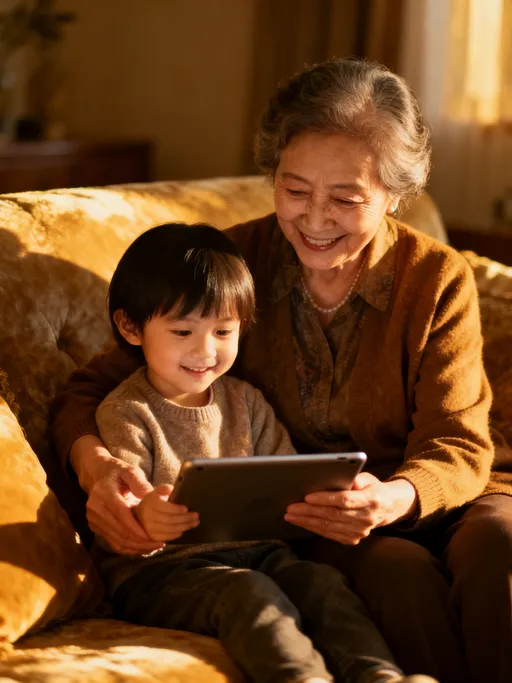
I’ve also used VR to help my mom “visit” places she can no longer travel to. At 78, she loves Paris but hasn’t flown in years. So we set up a shared experience where we walked through the Louvre together, pointing out paintings, talking about the art. It wasn’t the same as being there—but it was meaningful. She smiled more that afternoon than she had in weeks. For her, it wasn’t about the technology. It was about connection. About feeling included. About not missing out.
And it’s not just for family. I’ve explored Tokyo with a friend over video chat, both of us in our headsets, laughing as we “got lost” in virtual streets. We planned a real trip afterward—something we’d talked about for years but never followed through on. VR didn’t replace real travel. It inspired it. It gave us a shared language, a shared dream. That’s the quiet power of this technology: it doesn’t replace human connection. It deepens it. It gives us new ways to share joy, curiosity, and wonder—even when we’re miles apart.
Building a Smarter, Calmer Life: Making VR a Sustainable Habit
Like any good habit, the real magic of VR isn’t in the occasional long session—it’s in the small, consistent moments. Think of it like brushing your teeth or drinking water. It’s not glamorous, but it keeps you healthy. I’ve started using VR as part of my daily rhythm: a few minutes of calm in the morning, a mental reset during lunch, or a gentle wind-down before bed. It’s not about escaping life. It’s about enriching it. About giving myself little doses of beauty, peace, and inspiration that carry over into everything else I do.
The key is to keep it simple. Don’t aim for hour-long adventures every day. Start with five minutes. Pick one app you love. Make it part of a routine you already have—like after dinner or before journaling. Over time, it becomes as natural as making a cup of tea. And as you do, you’ll notice subtle shifts: more patience, more presence, more joy in ordinary moments. You’ll feel less frazzled. More like yourself.
And remember, this isn’t about replacing real life. It’s about protecting your energy so you can show up for it fully. It’s about feeding your soul so you can keep giving to others. In a world that never stops asking for more, VR has become my quiet rebellion—a way to pause, breathe, and remember what matters. It’s not a gadget. It’s a tool for living better. And if you’ve ever looked at your tired reflection and thought, “I just need a break,” this might be your gentlest, most beautiful way to take one.