Tired of Photos Buried in Your Phone? Here’s How We Finally Brought Our Family Memories to Life
Remember that moment when you tried to find a birthday picture for your mom, only to scroll endlessly through hundreds of blurry shots buried in your camera roll? We’ve all been there—precious moments lost in digital chaos. For years, our family photos lived scattered across devices, forgotten in folders with names like “IMG_2345.” But everything changed when we found a simple tool that transformed how we save, share, and relive our memories. It’s not just about organization—it’s about connection. What started as a small search for a lost photo became a journey back to the people and moments that matter most.
The Messy Reality of Digital Memories
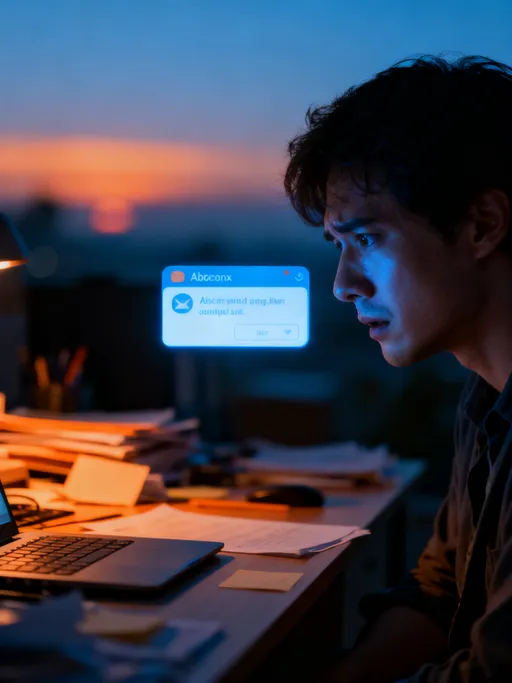
Let’s be honest—how many times have you opened your phone’s photo app, heart racing, trying to find that one perfect shot? Maybe it was your daughter’s first time riding a bike without training wheels, or your father blowing out candles on his 70th birthday. You remember the moment clearly, but the photo? Nowhere to be found. Instead, you’re staring at a grid of 8,000 images: receipts, screenshots, blurry pet shots, and the occasional gem buried under digital noise. I once spent an entire evening searching for a video of my nephew’s first words. By the time I gave up, I wasn’t just frustrated—I felt guilty. That moment was gone, not because it wasn’t captured, but because it was lost.
This isn’t just a tech problem. It’s an emotional one. When memories are scattered, hard to find, or locked on a dead phone, they stop feeling real. We stop sharing them. We stop talking about them. The story behind Grandma’s favorite hat at Thanksgiving? Forgotten. The way your sister danced at her daughter’s wedding? Buried under three years of vacation selfies and grocery lists. And the worst part? We don’t even realize how much we’re losing until someone asks, “Do you have a picture of when we all went to the lake?” and the room goes quiet.
Experts agree—digital clutter affects our emotional well-being. A study from the University of California found that people who feel overwhelmed by their digital files report higher stress and lower life satisfaction. When we can’t access our memories easily, we disconnect from our own stories. And for families, that means fewer shared laughs, fewer “remember when” moments, and less of that warm, fuzzy feeling of belonging. It’s not just about storage—it’s about significance. Every photo we lose is a piece of our family history that fades just a little more.
Life Before Family Photo Album Apps
Before we found a better way, our family relied on a patchwork of old habits. We’d print a few photos each year—usually the ones that made it to Christmas cards—and tuck them into dusty albums that rarely got opened. The rest? Sent as email attachments that vanished into spam folders, or uploaded to social media where only a handful of people saw them, buried under influencer posts and ads. I remember trying to pull up wedding photos for my cousin’s engagement party. I thought my sister had them. She thought my mom did. Turns out, no one had the full set. We ended up borrowing pictures from guests who posted them online. It was embarrassing—and it hurt. How could we, as a family, lose something so important?
Social media promised to keep us connected, but it did the opposite. Scrolling through feeds doesn’t feel like remembering. It feels like consuming. The most meaningful moments get lost in the noise, and privacy? Forget it. Do you really want your child’s first steps broadcast to every acquaintance and data collector? We didn’t. But back then, we didn’t know there was another option. We accepted that memories were fragile—easily lost, rarely shared, often forgotten.
And the time we wasted! Hours spent transferring files, renaming photos, trying to back up to thumb drives that got lost or corrupted. I once lost six months of baby photos because a cloud account expired. I cried. Not just because the photos were gone, but because the moments were slipping away. We were working so hard to save our memories, but the tools we used made it harder, not easier. We needed something that worked with our lives, not against them. Something that didn’t require a tech degree to use. Something that felt like family, not a software update.
Discovering the Right Tool
The turning point came during a family call. My aunt mentioned she’d started using a photo app to share pictures with her grandkids. I rolled my eyes at first—another app? But then she showed me. Within minutes, I saw photos of my cousins’ kids sorted by date, by event, even by faces. I clicked on my nephew’s name and watched a timeline of his first year unfold: first bath, first snow, first bite of solid food. And there, in the comments, was my grandma’s voice—recorded, saying, “That’s the day he laughed for the first time.” I cried. Not from stress this time, but from joy. This wasn’t just an app. It was a living memory box.
What made it different? It wasn’t about how many gigabytes it offered. It was about how it felt. Private by default. Easy to use—even for my 78-year-old mom. And most importantly, collaborative. I could invite my siblings, my cousins, even my in-laws, and we could all add photos, tag people, and leave notes. No more “who has the pictures?” drama. No more lost files. Just a shared space where our family story could grow.
The real “aha” moment came when I uploaded a batch of old photos from a USB drive I’d found in a drawer. Within minutes, the app sorted them—grouping by faces, dates, locations. I saw a picture of my dad holding me as a baby at the beach. I hadn’t seen it in 30 years. I tagged him, and my sister got a notification. She called me that night, laughing and crying, saying, “I forgot he used to wear that silly hat!” That photo sparked a two-hour conversation about our childhood summers. The app didn’t just find a picture. It found a memory—and brought us closer.
How It Transformed Our Daily Life
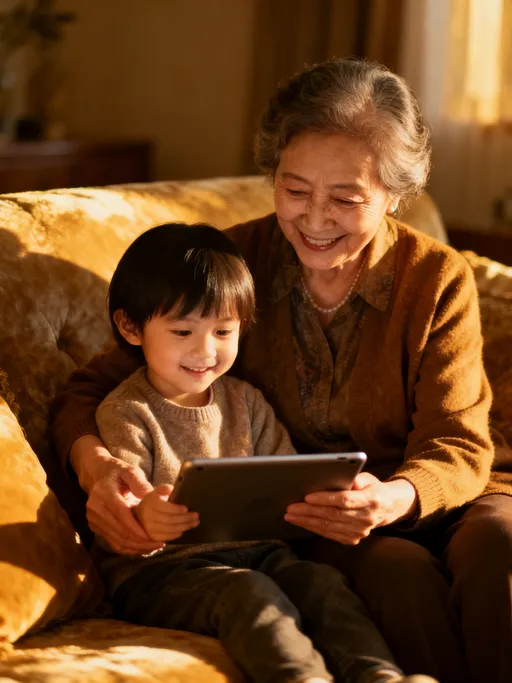
Now, our family photos aren’t an afterthought—they’re part of our rhythm. After a holiday dinner, someone’s already uploading pictures. When a grandparent has a birthday, we create a shared album and everyone adds their favorite moments. Last month, my mom surprised us by adding voice notes to old photos—telling the story behind each one. Hearing her talk about my wedding day, the way she felt seeing me in my dress, gave me chills. It wasn’t just a photo anymore. It was a moment, preserved in time and voice.
One of my favorite routines? Sunday nights. We have a tradition of sharing “the best moment of the week” in our family album. My teenage niece posted a picture of her dog sleeping on her homework. My brother shared a sunset from his hike. These small things, once forgotten, now feel celebrated. And when we gather in person, we pull up the app and scroll together. It’s become our new living room activity—replacing TV with memories. “Remember this?” “Look how small she was!” “I can’t believe that was ten years ago!” The laughter, the stories, the connection—it’s priceless.
Even logistics got easier. When we planned a surprise reunion for my parents’ 50th anniversary, we used the app to coordinate. One album for travel plans, another for old photos to display, a third for messages from relatives who couldn’t attend. My sister-in-law said, “It’s like we’re all in the same room, even when we’re not.” That’s the magic. It’s not just about storing photos. It’s about staying close, no matter the miles.
Making It Work for Your Family
If you’re thinking, “This sounds great, but my family’s not tech-savvy,” I get it. That was us too. The key isn’t perfection—it’s patience. Start small. Pick one event—a birthday, a holiday, a reunion—and create a shared album. Invite one or two people first. Send a simple message: “Hey, I made a little space for our family photos. Want to see?” No pressure. No instructions. Just warmth.
For older relatives, take the time to show them in person. Sit together, upload a few photos, let them hear a voice note. My mom was nervous at first, but when she saw a picture of her late husband appear in a “memories” slideshow, she teared up and said, “I feel like he’s here.” That moment? Worth every minute of setup. Use clear names for albums—“Summer 2024 at the Lake,” not “Vacation 7.” And set a monthly reminder to back up photos. Many apps do this automatically, but it’s good to check.
Encourage contributions by making it fun. Ask questions in captions: “Who remembers this sweater?” “What was the best part of this day?” Let kids add drawings or short videos. The goal isn’t a perfect archive—it’s a living one. And if someone forgets to upload, don’t nag. Gently remind them, or upload for them. This isn’t about control. It’s about care. The more people feel welcome, the more they’ll participate. Trust grows with time, and so does the collection.
More Than Just Photos—Building a Shared Story
What surprised me most was how the app became more than a photo library. It became our family’s storybook. We started adding more than images—short voice clips, scanned letters, even recipes in Grandma’s handwriting. I found an old note she wrote me before my first day of school: “Be brave, my love.” I uploaded it with a photo of us hugging goodbye. Now, my daughter can hear her voice saying, “That’s my girl,” even though Grandma’s gone.
The app helped us rediscover traditions too. Flipping through old Thanksgiving photos, we realized we’ve made the same pie for 40 years. We started a new album just for recipes and stories. My niece asked, “Why do we always eat turkey on the left?” and it sparked a conversation about how Grandpa always carved at the head of the table. These little details—the way someone laughed, the song that played in the background, the sweater worn every Christmas—these are the threads that weave our family fabric.
And the younger ones? They’re more curious than ever. My nephew asked to see “when Mommy was little.” He spent an hour watching clips of her as a toddler. Then he asked, “Did she cry when she started school too?” That question—that connection across generations—is what this is really about. It’s not just preserving the past. It’s helping the future understand where they come from.
A Simpler, More Meaningful Way to Remember
Looking back, I realize we weren’t just saving photos. We were saving ourselves—our laughter, our love, our history. The stress of lost files is gone. The guilt of forgotten moments has lifted. Instead, we have something richer: a shared space where memories live, breathe, and grow. The best part? It doesn’t feel like technology. It feels like home.
You don’t need to be a tech expert. You don’t need perfect photos or a huge budget. You just need the desire to connect. Start with one picture. One memory. One person you want to share it with. Let the rest unfold naturally. Because the goal isn’t a flawless digital archive. It’s hearts staying close. It’s stories being told. It’s knowing that when someone asks, “Do you have a picture of that day?” you can smile and say, “Yes—and let me tell you the story behind it.”
In a world that moves too fast, this is our pause button. Our way of saying, “This mattered. You matter.” Every photo saved is a moment loved. And now, finally, remembered.