Tired of apps stealing your time? Here’s how I reclaimed my focus and peace
We’ve all been there—reaching for our phones without thinking, only to realize we’ve lost 20 minutes scrolling through nothing important. It’s not laziness; it’s design. I used to feel constantly distracted, overwhelmed by notifications and endless updates. But what changed everything was understanding that my phone wasn’t the problem—how I managed it was. This isn’t about deleting apps or going offline. It’s about using mobile app management the right way—so your phone works for you, not against you. And once I learned how to do that, everything shifted. My mind felt clearer. My time felt more mine. And for the first time in years, I stopped feeling guilty about how I used my phone.
The Silent Time Drain: How Apps Quietly Take Over Your Day
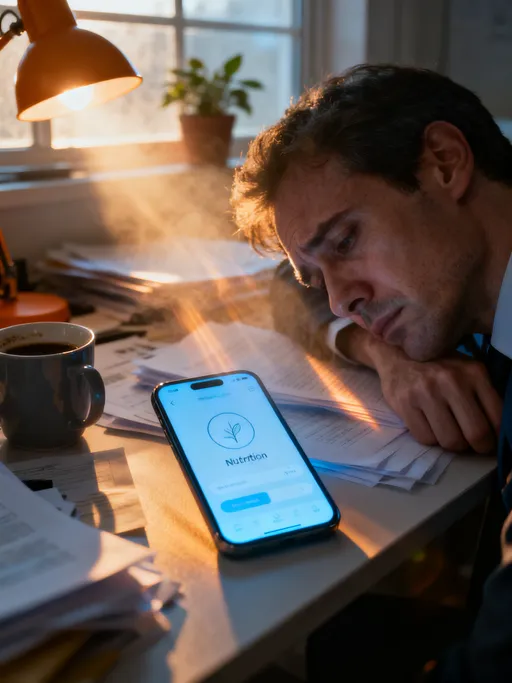
Picture this: your eyes flutter open, and before your feet even touch the floor, your hand reaches for the phone. That little screen glows with a dozen red dots—messages, updates, alerts from apps you didn’t even remember opening yesterday. You tell yourself, ‘Just five minutes,’ but suddenly, half an hour has slipped away. You’ve watched a video about baking bread you’ll never make, read headlines that made you anxious, and scrolled past photos that left you feeling… nothing at all. Sound familiar? That’s not a bad morning—it’s a carefully engineered experience.
Most of us don’t realize how much of our attention is being quietly claimed by the very tools we thought would make life easier. Social media apps, news platforms, even shopping and weather apps—they’re not just delivering information. They’re designed to keep you engaged, often at the cost of your time and mental peace. The autoplay videos, the endless scroll, the ‘just one more post’ pull—it’s all intentional. These aren’t flaws in design; they’re features. And they work because they tap into something deep in human psychology: our craving for novelty, connection, and reward.
I used to think I was just bad at self-control. I’d blame myself for not being strong enough to put the phone down. But then I started noticing patterns. Why did I always open certain apps without even deciding to? Why did I feel a little jolt of anxiety when I left my phone behind? It wasn’t just habit—it was design. Notifications are timed to trigger dopamine, the same chemical involved in pleasurable experiences. The more we respond, the more our brains expect the next ping, the next update, the next little hit of digital satisfaction. Over time, it’s like our attention becomes someone else’s product.
And the emotional toll? It’s real. I started feeling frazzled by mid-morning, even if I hadn’t done much. I’d snap at my kids over small things, not because I was a bad mom, but because my brain was already overloaded. I’d lie in bed at night thinking, ‘I didn’t get anything meaningful done today,’ even though I’d been ‘busy’ all day. The guilt crept in. But here’s the truth: you’re not failing. The system is working exactly as it was built to work. The good news? You don’t have to accept it. You can take back control—without giving up your phone entirely.
The Myth of Willpower: Why “Just Stop Scrolling” Doesn’t Work
Let’s be honest—how many times have you said, ‘I’ll just stop using my phone so much’? Maybe you even meant it in the moment. But then, there you are again, swiping through reels or checking comments, wondering where the time went. If you’ve ever felt like you lack discipline, I want you to know something important: willpower alone isn’t enough. It’s not about being weak or undisciplined. It’s about fighting a system that’s been tested, refined, and optimized by teams of behavioral scientists.
Think of it this way: if you walked into a casino and kept pulling the slot machine lever, hoping for a win, you wouldn’t call yourself addicted to gambling machines. You’d recognize that the machine is designed to keep you playing—random rewards, flashing lights, near-misses that make you think the next pull could be the big one. That’s called a variable reward system, and it’s one of the most powerful tools in behavioral psychology. Now, guess what? Your favorite apps use the exact same principle. You never know if the next scroll will bring a funny meme, a kind comment, or news from an old friend. That uncertainty keeps you hooked.
I remember talking to my friend Lisa about this. She said, ‘I just need more self-control. Everyone else seems to manage fine.’ I asked her, ‘Have you noticed how Instagram only shows you the most engaging posts first? Or how YouTube auto-plays the next video before you can decide?’ She paused. ‘I guess I never thought about it like that.’ That moment stuck with me. We spend so much time blaming ourselves, but we rarely question the design. We treat our phones like neutral tools, when in reality, they’re more like personal assistants with their own agenda—one that prioritizes engagement over your peace of mind.
And here’s another thing: our brains are wired to respond to instant feedback. When you post a photo and get likes right away, it feels good. When you open an app and see new messages, it feels urgent. These micro-rewards train us to check our phones constantly, even when we don’t need to. It’s not a character flaw—it’s a predictable response to smart design. The real problem isn’t that we’re weak. It’s that we’re being outsmarted. But once you see the game for what it is, you can start playing by your own rules.
Rethinking App Management: From Chaos to Calm
The turning point for me came when I stopped seeing my phone as the enemy and started seeing it as a tool I could reshape. I realized I didn’t have to delete every app or go on a digital detox to feel better. What I needed was a new mindset: instead of fighting my habits, I could redesign my environment. That’s when I began playing with my settings—not just turning things off, but making intentional choices about what stayed and how it behaved.
One of the first things I did was turn off non-essential notifications. I kept alerts for texts, calls, and calendar reminders—things that actually matter. But I silenced everything else. No more buzzes for social media likes, no pings for ‘you have a new badge,’ no flashing icons for sales I didn’t care about. At first, it felt strange, like I was missing out. But within days, I noticed something surprising: I felt calmer. My attention wasn’t being pulled in ten directions every few minutes. I could finish a thought, help my daughter with homework, or just sit with a cup of tea without feeling the urge to check my phone.
Then I tried something even simpler: renaming apps. I changed the label of my social media app from its real name to ‘Time Sucker.’ Sounds silly, right? But every time I saw that name, it made me pause. Do I really want to spend time here right now? That tiny friction made a huge difference. I also moved distracting apps off my home screen and into a folder labeled ‘Later.’ Out of sight, out of mind. And for apps I actually wanted to use—like my meditation app or recipe planner—I put them front and center. It sounds small, but these changes helped me feel like I was in charge again.
I also started using the digital wellbeing tools built into my phone. Most smartphones now have features that show you how much time you spend on each app, let you set daily limits, and even schedule ‘wind down’ modes. I set a 30-minute daily limit for my most-used social app. When I hit it, the screen dims slightly, and I get a gentle reminder. No shame, no punishment—just a nudge. These tools don’t control me; they support me. And the best part? I didn’t need any special skills or tech knowledge. Everything I used was already on my phone. I just had to decide to use it differently.
Setting Up Your Phone to Support Your Life Goals
Once I got the basics down, I started thinking bigger: what if my phone could actually help me live the life I wanted? Not just distract me from it? That’s when I reorganized my home screen with purpose. Instead of letting app icons pile up randomly, I grouped them by what I wanted to accomplish. I created folders like ‘Family,’ ‘Me Time,’ ‘Home,’ and ‘Learn.’ Under ‘Family,’ I put messaging apps, our shared calendar, and photo albums. Under ‘Me Time,’ I added my meditation app, a journaling tool, and a podcast player. ‘Home’ had grocery lists, cleaning checklists, and home security apps. ‘Learn’ held language lessons, audiobooks, and online courses.
This wasn’t just about tidiness—it was about alignment. Every time I opened my phone, I was reminded of what mattered to me. If I was feeling overwhelmed, I could tap ‘Me Time’ and find something that helped me reset. If I needed to plan dinner, ‘Home’ had everything I needed. It turned my phone from a source of chaos into a quiet helper. I also changed the wallpaper to a photo of my kids laughing at the park. Now, every time I unlock my phone, I see joy—not a list of unread messages.
I also started using app timers more creatively. For example, I set a 15-minute limit for shopping apps. It’s enough time to compare prices or order what I need, but not so much that I fall into a ‘just browsing’ spiral. For news apps, I limited myself to 20 minutes a day. I still stay informed, but I don’t let headlines hijack my mood. And for games or entertainment, I only allow them after I’ve completed a task—like a digital reward system I designed for myself.
The key is customization. Your phone should reflect your values, not the priorities of app developers. If family is important, make family tools easy to reach. If learning matters, put those apps front and center. This isn’t about perfection—it’s about intention. And when your phone supports your goals instead of distracting from them, it stops feeling like a burden and starts feeling like an ally.
Family Harmony in the Digital Age: Managing Apps for Everyone
One of the biggest surprises was how much better my relationships became once I changed my phone habits. I used to be the mom who was physically present but mentally checked out—nodding along while scrolling, half-listening during dinner. My kids noticed. One night, my daughter said, ‘Mom, are you even hearing me?’ That broke my heart. I realized my phone wasn’t just stealing my time—it was stealing moments with the people I love most.
So I made a change. I started putting my phone in another room during meals and family time. At first, it felt awkward, like I was missing something. But soon, the conversations deepened. We started talking about school, dreams, funny stories—really talking. I began using a family calendar app that everyone could see, so we could plan outings together without endless back-and-forth texts. We even set shared screen time goals: 2 hours a day for the kids, 1.5 for me. We’d check in each week and celebrate when we met our targets. It became a family project, not a punishment.
I also started using messaging apps more intentionally. Instead of sending random memes or quick updates, I’d send voice notes or photos from our day—little moments of connection. And I turned off notifications during bedtime routines. No more last-minute emails or news alerts while reading stories to my kids. That hour became sacred. Their sleep improved. Mine did too.
For my husband, we created a ‘no phones in bed’ rule. It wasn’t about distrust—it was about presence. We wanted to talk, unwind, and reconnect without distractions. It wasn’t easy at first, but now it’s a habit we both cherish. Technology didn’t ruin our family time; misuse of it did. And once we set boundaries, we found more joy in being together. Your phone doesn’t have to come between you and your loved ones. It can actually help you stay connected—if you use it with care.
The Ripple Effect: How Better App Habits Improve Your Mental Space
The changes didn’t just improve my days—they changed how I felt inside. I noticed less background anxiety. Fewer moments of ‘What am I missing?’ or ‘Did I forget something?’ My mind felt quieter, like the constant mental chatter had finally slowed down. I started sleeping better. Waking up felt easier. I had more energy to focus on things that truly mattered—like finishing a book, starting a garden, or just sitting still with my thoughts.
But the biggest shift was in how I saw myself. I stopped feeling guilty about my phone use. I stopped seeing myself as someone who lacked discipline. Instead, I felt capable, intentional, in control. Every small choice—turning off a notification, choosing to close an app—became a tiny act of self-respect. Over time, those choices added up. I began trusting myself more. I felt more grounded, more present, more like the person I wanted to be.
And here’s something I didn’t expect: better app habits started spilling over into other areas of my life. I became more mindful about what I ate, how I spent my weekends, even how I spoke to people. It wasn’t because I was trying to ‘fix’ myself—it was because I had created space to notice. When your mind isn’t constantly pulled in ten directions, you start seeing patterns. You start making better choices, not because you have to, but because you want to. It’s like cleaning out a cluttered room—you forget how much you could see until the mess is gone.
Your phone is a mirror in many ways. How you use it reflects how you feel about your time, your attention, your worth. When you treat your attention as valuable—something to protect, not give away freely—you start living differently. You don’t just reclaim minutes. You reclaim peace. You reclaim focus. You reclaim the feeling that your life belongs to you.
Making It Last: Building Sustainable Digital Habits Without Burnout
Let’s be real—no system is perfect. There are still days when I fall back into old patterns. Maybe I’m stressed, or tired, or just curious about what’s happening online. And that’s okay. The goal isn’t to be flawless. It’s to create a phone experience that supports the life you want to live, most of the time. That’s why I focus on sustainability, not perfection.
One thing that helps is a weekly check-in. Every Sunday evening, I spend ten minutes reviewing my screen time report. I look at which apps took up the most time and ask myself: Did that serve me? Did it bring me joy, connection, or progress? If not, I adjust. Maybe I turn off another notification, move an app to a harder-to-reach folder, or set a new daily limit. It’s not a punishment—it’s a tune-up, like changing the oil in your car.
I also celebrate small wins. Did I have a phone-free dinner? Great. Did I use my meditation app three times this week? Awesome. I don’t wait for big transformations to feel proud. Progress is made in tiny moments. And when I’m kind to myself on the off days, I’m more likely to stay on track long-term.
Life changes, and so should your phone setup. When my youngest started school, I added the school app to my home screen. When I started baking more, I pinned my recipe app. Your phone should evolve with you. The point isn’t to follow a rigid rulebook. It’s to create a relationship with technology that feels balanced, supportive, and human.
So if you’re tired of feeling like your phone owns your time, I want you to know this: you can change it. You don’t need to delete everything or go back to flip phones. You just need to make a few smart, kind choices. Start small. Turn off one notification. Rename one app. Move one thing out of reach. These aren’t just tech tips—they’re acts of self-care. And each one brings you a little closer to a life that feels calmer, clearer, and more yours. Your phone should work for you. And now, it can.