Taste the Hills: How Barcelona’s Terrain Shapes Its Soul-Food Scene
Nestled between the Mediterranean and the hills, Barcelona’s food is more than flavor—it’s geography on a plate. I never expected mountain trails to lead to hidden tapas or coastal breezes to shape my lunch. The city’s special terrain—undulating hills, rocky cliffs, and sun-drenched shores—doesn’t just inspire views; it grows, smokes, and seasons what’s on your fork. This is cuisine rooted in land and sea, tradition and terroir. Every bite tells a story of elevation, breeze, and soil, shaped by centuries of harmony between people and landscape. To taste Barcelona is to understand its soul through its slopes.
The Lay of the Land: Where Mountains Meet the Sea
Barcelona’s culinary identity begins with its extraordinary geography. The city rests where the Mediterranean Sea meets the rugged Serra de Collserola range, creating a dramatic transition from sea level to nearly 500 meters in elevation within just a few kilometers. This convergence of water and mountain forms a patchwork of microclimates, each nurturing distinct agricultural practices and food traditions. The terrain is not merely scenic—it is functional, shaping what grows, how it’s harvested, and ultimately, how it tastes.
The coastal plains, warmed by the sun and kissed by sea spray, are ideal for cultivating vegetables like artichokes, tomatoes, and eggplants, which thrive in the sandy, well-drained soils. Just a short climb inland, however, the land transforms. Sloping hillsides with thin, rocky soil support hardy herbs such as rosemary, thyme, and wild fennel, which develop intense flavors due to the stress of limited nutrients and exposure to wind. These natural conditions create a gradient of taste, where proximity to the sea or height above it determines the character of the harvest.
This vertical diversity allows for an unusually localized food culture. Unlike cities where ingredients must be transported from distant farms, many of Barcelona’s restaurants source produce from within the city limits or its immediate outskirts. A restaurant in the upper neighborhoods might serve beans grown on a nearby terraced slope, picked that morning, while a seaside chiringuito grills fish hauled from the net just hours before. The terrain shortens the journey from soil to plate, preserving freshness and intensifying flavor. This hyper-localism is not a trend—it is a necessity born of landscape.
Moreover, the elevation shifts influence air circulation and humidity, which affect food preservation techniques. In drier, elevated zones, the wind aids in air-drying sausages and curing cheeses, while the coastal humidity supports the slow fermentation of bread and vermouth. These subtle environmental factors are embedded in the city’s culinary DNA, making Barcelona’s food not just delicious, but deeply expressive of its physical setting.
From Soil to Sabor: How Altitude Affects Olive Oil and Wine
One of the most profound ways Barcelona’s terrain influences its cuisine is through the production of olive oil and wine. As elevation increases, so does the complexity of flavor in these foundational ingredients. In the hills surrounding the city, particularly in the foothills of the Collserola range and extending into the Penedès region, vineyards and olive groves flourish on steep, rocky slopes. These challenging growing conditions are precisely what give the region’s products their distinctive character.
Grapevines planted at higher altitudes experience greater temperature fluctuations between day and night. This diurnal shift slows the ripening process, allowing sugars to develop gradually while preserving acidity. The result is wines with balanced structure, bright aromatics, and a crisp finish—qualities highly prized in both still and sparkling Cava. Winemakers in Penedès, a short distance from Barcelona, rely on these elevation-driven conditions to craft wines that reflect the terroir. The stony soils also limit water retention, further stressing the vines and concentrating flavor in the fruit.
Similarly, olive trees grown on steep inclines produce oil with a bold, peppery bite. The limited soil depth forces roots to dig deep, accessing trace minerals that contribute to the oil’s complexity. These trees yield fewer olives than those in flat, irrigated groves, but the oil extracted is richer in polyphenols—natural compounds that enhance both flavor and health benefits. The result is an extra virgin olive oil with grassy, herbal notes and a spicy finish, often described as “green” in character.
These terroir-driven products are not reserved for special occasions. They form the backbone of everyday cooking in Barcelona. A simple dish of patatas bravas gains depth from a drizzle of local olive oil, while a glass of house wine often comes from nearby elevated vineyards. The connection between altitude and taste is not abstract—it is tangible, experienced in every meal. For visitors, tasting these products in their place of origin offers a direct link to the land, revealing how elevation shapes not just agriculture, but culture.
Hidden Kitchens: Mountain-Edge Markets and Village Eateries
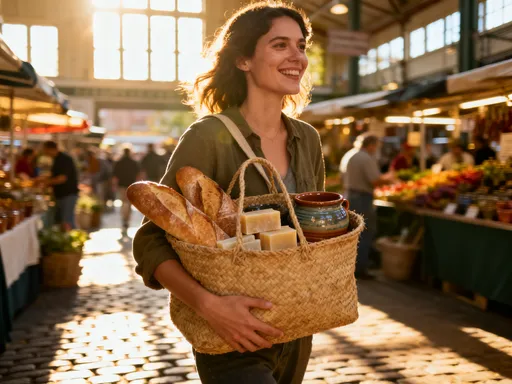
Beyond the well-trodden aisles of La Boqueria Market lies a quieter, more intimate food culture thriving in Barcelona’s elevated neighborhoods. Areas like Gràcia, Horta, and Vallcarca host weekly markets where local producers sell goods shaped by the mountain air and sun-baked slopes. These markets are not curated for tourists—they are where residents shop, exchanging recipes and seasonal tips as they fill their baskets with goat cheese, wild herbs, and air-cured meats.
In these hillside communities, food production remains closely tied to the land. Small-scale cheesemakers use milk from goats that graze on steep, rocky pastures, producing cheeses with a tangy, earthy profile. The dry mountain wind accelerates the aging process, allowing for natural curing without artificial refrigeration. Similarly, wild mushrooms—such as boletus and chanterelles—are foraged from the forested slopes of Collserola, their flavor intensified by the clean, oxygen-rich air.
Local charcuterie benefits from the same natural advantages. Traditional sausages like fuet and botifarra are hung in ventilated rooms where the constant breeze aids in drying, concentrating flavor and creating a firm, satisfying texture. These preservation methods, passed down through generations, rely on the region’s unique climate rather than industrial processes. The result is meat with a depth of taste that cannot be replicated in more humid, sheltered environments.
For visitors willing to climb beyond the city center, these markets offer a rare glimpse into authentic Catalan foodways. A weekend visit to the market in Horta might yield a slice of freshly baked coca de recapte—a savory pastry layered with roasted vegetables and cured meats—or a sample of honey harvested from hives nestled in the hills. These experiences are not just culinary—they are cultural, rooted in a way of life that respects the rhythms of the land.
Seafood with a View: Coastal Coves and Fresh-From-the-Net Dining
While the hills shape one side of Barcelona’s cuisine, the Mediterranean Sea defines the other. The city’s rocky coastline, carved by centuries of wave action, creates a series of small, sheltered coves where traditional fishing boats still launch at dawn. These coves, such as those in Barceloneta, Bogatell, and farther north in Vilassar de Mar, are home to a fishing culture that remains largely unchanged. Each morning, fishermen return with nets full of bream, sea bass, sardines, and octopus—species that thrive in the nutrient-rich waters close to shore.
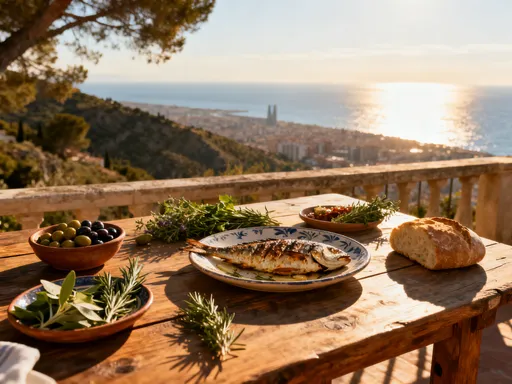
Restaurants perched along these coastal edges take full advantage of this daily harvest. Many operate on a simple principle: fish is grilled or pan-seared within hours of being caught, often prepared with nothing more than olive oil, garlic, and a squeeze of lemon. The proximity to the sea ensures unmatched freshness, but it also influences the flavor of the seafood itself. The salinity of the water, the temperature of the currents, and the marine vegetation all contribute to a taste that is clean, briny, and deeply oceanic.
Preservation techniques, too, are shaped by the coastal environment. Salt-curing and wind-drying have long been used to extend the shelf life of fish, particularly anchovies and cod. The constant sea breeze accelerates drying, while the salt-laden air enhances flavor. These methods produce ingredients like mojama (cured tuna loin) and bacalao desalado (rehydrated salt cod), which are staples in Catalan cooking. A classic dish like brandada de bacalao—a creamy spread made with cod, olive oil, and garlic—owes its rich, umami depth to this maritime tradition.
Dining in these coastal spots is a multisensory experience. The sound of waves, the scent of salt in the air, and the sight of fishing boats bobbing on the horizon all enhance the act of eating. It is not merely a meal—it is a dialogue between sea and shore, where the environment becomes part of the flavor. For visitors, choosing a cliffside restaurant over a city-center chain is a way to engage with Barcelona’s culinary soul.
Flavors on the Climb: Hiking Trails That Lead to Real Taste
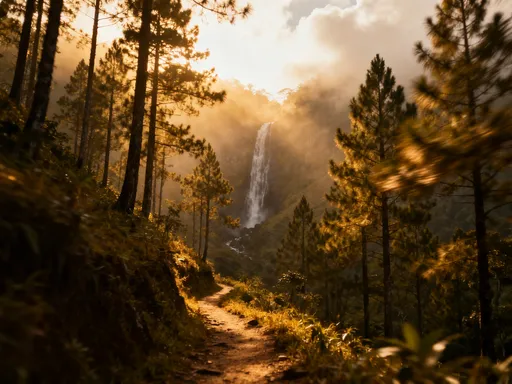
One of the most rewarding ways to experience Barcelona’s terrain-driven cuisine is on foot. The city’s network of hiking trails—winding through Parc del Carmel, up to the Bunkers del Carmel, and into the Collserola Natural Park—offers more than panoramic views. These paths lead to hidden culinary treasures: family-run masías, rural inns where generations have cooked over wood-fired ovens using ingredients grown or foraged nearby.
A hike up the steep trails of Carmel might end at a small stone farmhouse serving escudella i carn d'olla, a traditional Catalan stew made with seasonal vegetables, chickpeas, and slow-cooked meats. The dish, often prepared in large pots over an open flame, reflects the mountain lifestyle—nourishing, hearty, and designed to sustain those who work the land. The effort of the climb makes the meal more satisfying, creating a physical and emotional connection to the food.
Other trails lead to picnic spots where locals spread out homemade sausages, cheeses, and bread, accompanied by a bottle of local wine. These gatherings are not performances for visitors—they are everyday rituals, expressions of a culture that values both nature and nourishment. Even the act of walking through the hills becomes part of the meal, as hikers breathe in the scent of wild herbs and observe the same plants that flavor their food.
For travelers, this form of culinary tourism is both accessible and meaningful. No reservations are needed—just comfortable shoes and an appetite. The journey itself becomes a form of tasting, where each step reveals a new layer of flavor, history, and connection. It is farm-to-table in the most literal sense: a meal earned through movement, rooted in place.
Urban Layers: How Neighborhood Elevation Shapes Street Food
Even within Barcelona’s urban core, subtle differences in elevation influence food culture. The city is not flat—it is a series of gentle rises and dips, each neighborhood occupying its own micro-position in the landscape. These variations, though slight, contribute to distinct culinary identities. What you eat in a low-lying district like El Raval differs from what you’ll find in the elevated plazas of Gràcia or the mid-slope streets of Sant Antoni.
In the lower zones, close to the old port, the food reflects a bustling, cosmopolitan energy. Street vendors serve bold, spicy dishes—patatas bravas with fiery sauce, grilled morcilla (blood sausage), and strong coffee—catering to a fast-paced lifestyle. The humidity in these areas supports slow fermentation, making them ideal for aging vermouth, a beloved local aperitif. Bars in El Raval are known for their extensive vermouth menus, poured from wooden casks that have been seasoning for years.
As you ascend into Gràcia, the atmosphere shifts. The air is drier, the pace slower. Here, menus favor lighter dishes—grilled vegetables, herb-marinated olives, and fresh goat cheese salads. Bakeries produce crisp, airy breads, thanks to better airflow that improves dough fermentation and crust development. The neighborhood’s plazas buzz with a different rhythm, where families gather for long lunches and children play as elders sip herbal infusions.
This vertical stratification of food culture is not accidental. It reflects centuries of adaptation to the environment. Lower areas, historically more industrial and densely populated, developed robust, flavorful foods suited to hard labor and shared spaces. Higher zones, once semi-rural and more secluded, nurtured a gentler cuisine aligned with domestic life and seasonal rhythms. Today, these distinctions remain visible in the city’s street food, offering a taste map that can be explored one neighborhood at a time.
Eating with Awareness: Choosing Terrain-Respectful Experiences
As visitors, we have the opportunity—and responsibility—to engage with Barcelona’s cuisine in a way that honors its landscape. The city’s food system is fragile, shaped by delicate ecological balances that can be disrupted by over-tourism, overfishing, and unsustainable farming. Choosing to eat mindfully is not just a personal preference; it is a way to support the preservation of this unique culinary heritage.
One of the most impactful choices is to prioritize restaurants and markets that source locally and seasonally. Many family-run establishments proudly display the origins of their ingredients, whether it’s olive oil from Collserola, cheese from a nearby village, or fish from a small-scale fishery. By asking questions and showing interest, travelers can encourage transparency and sustainability. Some eateries even partner with local cooperatives, offering dishes that highlight specific terroirs, such as a salad made entirely from hillside-grown produce.
Another meaningful step is to avoid overfished species like bluefin tuna or deep-water shrimp, opting instead for abundant, responsibly caught options like sardines, anchovies, or octopus. Local chefs often adjust their menus based on what is available, reflecting a deep respect for marine cycles. Diners who embrace this flexibility contribute to a more resilient food system.
For a deeper connection, agri-tourism initiatives offer hands-on experiences. Visitors can spend a day harvesting vegetables, tending to olive trees, or helping prepare a meal using ingredients from the same land. These programs, often run by farming families, provide insight into the labor and love behind the food. They also generate income that supports traditional cultivation methods, helping to keep hillside farms viable in the face of urban expansion.
A Plate Shaped by the Earth
Barcelona’s cuisine is not just a collection of recipes—it is a living expression of its terrain. The hills, the sea, the wind, and the sun all leave their mark on every bite. From the peppery kick of high-altitude olive oil to the briny freshness of cove-caught fish, flavor here is inseparable from place. This is not food that can be replicated elsewhere; it is rooted in a specific geography, shaped by centuries of human and natural collaboration.
To eat in Barcelona is to participate in a deeper story—one of balance, tradition, and respect. It is to understand that a meal is more than sustenance; it is a conversation between people and the land they inhabit. When we choose to savor food that honors its origins, we do more than enjoy a delicious dish—we support a culture that values sustainability, seasonality, and connection.
Let your next journey be guided not just by maps, but by flavor maps written in soil and sea spray. Climb the hills, walk the coves, sit in the plazas, and taste the difference elevation makes. In Barcelona, every meal is a journey—one that begins in the earth and ends on the plate, rich with meaning and memory.