You Gotta See These Monte Carlo Viewpoints — Mind-Blowing Photo Spots Revealed
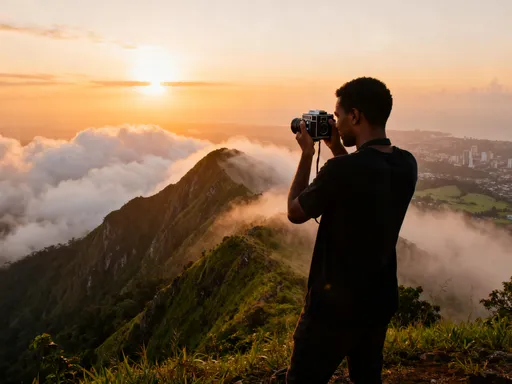
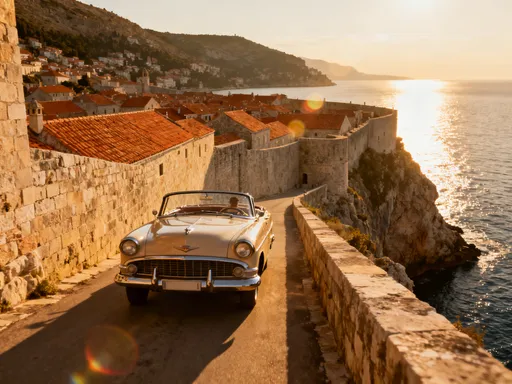
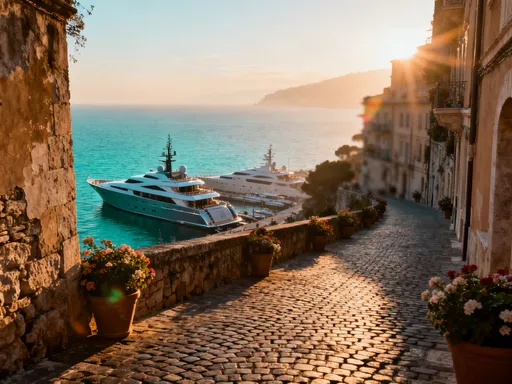
Monte Carlo isn’t just luxury yachts and grand casinos — it’s a visual paradise hiding some of the most breathtaking viewpoints along the Mediterranean. I went searching for the best photo spots, and honestly? I was blown away. From high-cliff panoramas to hidden alleys with perfect framing, every corner feels like a postcard. If you're chasing light, drama, and that perfect shot, this is your sign. Let me show you where to go — and why these spots are absolutely unmissable.
Why Viewpoints Matter in Monte Carlo
Monte Carlo’s geography is nothing short of cinematic. Nestled along the French Riviera, the city climbs steeply from the shimmering Mediterranean, creating a natural stage where sea, sky, and architecture converge. This dramatic elevation isn’t just scenic—it’s strategic for photography. Every rise in the road, every terrace built into the hillside, offers a new vantage point, each more compelling than the last. The interplay between the rugged coastline and the polished elegance of Monegasque design turns ordinary views into extraordinary compositions.
What makes these viewpoints truly special is their ability to capture contrast. Imagine the deep blue of the sea against the terracotta roofs of old villas, or the gleam of white yachts framed by lush green palms. These are not just backdrops—they are stories in a single frame. For travelers, especially those who value meaningful memories, a well-chosen viewpoint transforms a simple snapshot into a lasting impression. It’s the difference between saying “I was there” and showing it with soul.
Moreover, in an age where travel is often shared through photos, selecting the right spot matters. A great viewpoint doesn’t just flatter your subject—it elevates your entire experience. It invites stillness, encourages observation, and rewards patience. Whether you're using a smartphone or a professional camera, the right location does half the work. In Monte Carlo, where beauty is abundant but attention is fleeting, knowing where to stand ensures your photos stand out.
The Iconic Casino Square & Its Hidden Angles
No visit to Monte Carlo feels complete without seeing the legendary Casino de Monte-Carlo. With its Belle Époque façade and golden domes, it’s a magnet for tourists and a symbol of old-world glamour. But while most people photograph it from ground level, the real magic happens when you shift your perspective. A few strategic spots nearby offer elevated views that transform the square into a living painting.
One of the best is the staircase leading up from Avenue des Spélugues toward Place du Casino. From halfway up, you can frame the casino perfectly, with the geometric patterns of the square’s pavement guiding the eye. Early in the morning, before the crowds arrive and the sun sits low, the light wraps around the building like a soft spotlight. This is golden hour at its finest—gentle, warm, and full of atmosphere. The fewer people around, the more you can compose your shot without distractions.
Another hidden gem is the small balcony outside Hôtel de Paris, just across from the casino. While you can’t linger for long, it provides a slightly elevated, slightly off-center view that adds depth. The reflection of the casino in the adjacent fountain, the classic cars parked neatly in the square—these details come together beautifully when shot from this angle. For photography settings, a mid-range aperture (f/8 to f/11) ensures both the foreground and background stay sharp, while a shutter speed of 1/125 or faster prevents blur in natural light.
Remember, the key isn’t just to photograph the casino, but to capture its context. The way it sits within the square, how it interacts with the sky, the people moving around it—these elements tell a richer story. And by choosing a less obvious vantage point, your photo won’t look like everyone else’s. It will feel personal, intentional, and alive.
Le Rocher (The Rock) – Monaco’s Elevated Heart
Rising dramatically from the sea, Le Rocher—Monaco’s historic old town—is a natural observatory perched on a rocky promontory. This is where the principality began, and today, it remains one of the most photogenic parts of the city. Winding staircases, arched passageways, and centuries-old buildings cling to the cliffs, offering panoramic views that stretch from the harbor to the distant Alps on clear days.
One of the most rewarding walks begins at the base of the rock, near the Prince’s Palace. As you climb the stone steps, each turn reveals a new composition: a cluster of pastel-colored houses, a sudden glimpse of the sea, or a weathered door framed by bougainvillea. At the top, the terrace near the Cathedral of Our Lady Immaculate delivers a sweeping vista. To the left, you can see the red-tiled roofs of Monaco-Ville; to the right, the sleek lines of Port Hercules fill the frame with yachts and activity.
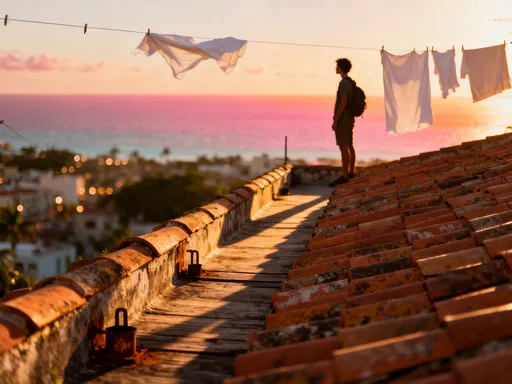
For photographers, the charm of Le Rocher lies in its spontaneity. Unlike the manicured plazas of Monte Carlo, this area feels lived-in and authentic. A laundry line strung between buildings, a cat napping on a windowsill, or an elderly resident watering flowers—these quiet moments become the soul of your photo essay. The narrow alleys create natural leading lines, while the contrast between shadow and sunlight adds drama.
Visit in the late afternoon when the sun slants across the stone walls, casting long shadows and warm highlights. Wear comfortable shoes—this is a place to explore slowly, not rush through. And don’t forget to look back: some of the best views aren’t of the sea, but of the city itself, rising like a tiered garden from the coastline. Le Rocher isn’t just a location; it’s an invitation to see Monte Carlo from the perspective of its history.
Jardins des Boulingrins – Urban Green with a View
Amid the glitz and glamour of Monte Carlo, the Jardins des Boulingrins offers a peaceful retreat where nature and cityscape coexist in harmony. Located just steps from the casino, this well-kept garden is a favorite among locals and a smart choice for travelers seeking a quieter, more reflective photo opportunity. Lined with palm trees, flowering shrubs, and symmetrical pathways, it provides a sense of order and calm—perfect for balanced, serene compositions.
What makes this garden special is its subtle framing of the harbor. From certain benches, the view opens up between the trees, creating a living picture window. The greenery adds depth and contrast, making the blue of the sea and the white of the yachts pop. It’s an excellent spot for portrait photography too—natural light filters gently through the canopy, softening facial features and reducing harsh shadows.
For the best results, visit during golden hour, either just after sunrise or before sunset. At these times, the light is warm and diffused, enhancing the textures of the foliage and casting a golden glow on the surrounding buildings. The garden is usually quiet in the early morning, making it easier to capture clean shots without passersby. Even a simple photo of a path leading into the distance, flanked by palms and ending with a slice of sea, can feel cinematic.
The Jardins des Boulingrins also demonstrates how green spaces enhance urban photography. They break up the monotony of concrete and glass, adding organic shapes and colors that draw the eye. Whether you’re photographing a loved one, a travel journal moment, or just the view, this garden offers a balanced blend of nature and luxury. It reminds us that beauty doesn’t always need drama—sometimes, it’s found in stillness and symmetry.
The Larvotto Beach Path – Coastal Vistas with Style
Stretching along the eastern edge of Monte Carlo, the Larvotto Beach promenade is a modern masterpiece of seaside design. This wide, paved path runs parallel to the sandy beach and offers uninterrupted views of the Mediterranean. Unlike the more historic parts of the city, Larvotto exudes a contemporary energy—sleek apartment towers, chic beach clubs, and the constant rhythm of waves create a dynamic backdrop for lifestyle photography.
The path itself serves as a natural photo platform. Railings at regular intervals provide stable support for steady shots, while benches offer places to pause and observe. One particularly photogenic stretch is near the entrance to the Monte Carlo Beach Hotel, where the curve of the coastline creates a natural frame. From here, you can capture the contrast between the calm of the beach and the motion of the sea, with sailboats drifting in the distance.
Morning light here is ideal—clean, cool, and full of clarity. The sun rises over the hills, illuminating the facades of the buildings without creating harsh glare on the water. This is also when the path is least crowded, allowing for unobstructed shots. For wide-angle photography, a focal length of 24mm or less captures the sweep of the shore, while a zoom lens can isolate details like seagulls in flight or the reflection of clouds on a glass balcony.
Larvotto is also a great place to photograph movement. Whether it’s a cyclist gliding by, children building sandcastles, or a couple walking hand in hand, these candid moments add life to your collection. The combination of natural beauty and modern design makes this area especially appealing for those who enjoy architectural and coastal photography in one frame. It’s proof that luxury and leisure can coexist—and look stunning in a photo.
La Condamine Market Area & Port Hercules Overlooks
The La Condamine district, centered around the vibrant market and Port Hercules, pulses with daily life. While the market itself is a feast for the senses—filled with fresh produce, flowers, and local goods—the surrounding streets offer some of the most dynamic photo opportunities in Monte Carlo. This is where the working heart of the city meets its opulent identity, with fishermen unloading their catch just steps from million-dollar yachts.
One of the best ways to photograph Port Hercules is from the elevated sidewalks along Quai Kennedy. From this height, you can capture the full expanse of the harbor, with its tightly packed boats and the city rising behind them. The contrast between the working port and the luxury vessels is striking, offering a narrative-rich scene. Early on weekend mornings, when the market is busiest, the colors of fruits and flowers add vibrant splashes to your frame.
Another underused vantage point is the rooftop level of the parking garage near the market. While not officially a tourist spot, it’s open to the public and provides a 360-degree view. From here, you can photograph the curve of the harbor, the distant peaks of the Alps, and the intricate layout of the city’s streets—all in one shot. It’s an ideal location for drone-free photography that still achieves a high-angle effect.
Since drones are not permitted in Monaco without special authorization, using zoom techniques is essential. A smartphone with a good telephoto lens or a camera with a 70-200mm zoom can isolate specific details—like the name on a yacht’s stern or the flag fluttering atop a mast. These small elements add authenticity and context. The key is to look for layers: foreground, midground, and background. A market stall in front, a row of boats in the middle, and the skyline behind create a photo with depth and story.
Secret Staircases & Quiet Alleys Off the Beaten Path
Beyond the main attractions, Monte Carlo reveals its most intimate moments in the quiet staircases and narrow alleys that connect its neighborhoods. These hidden routes, often overlooked by guided tours, offer surprise glimpses of the sea, unexpected architectural details, and a sense of discovery that’s hard to replicate elsewhere. They are the city’s whispered secrets—places where you can pause, breathe, and compose a photo that feels truly your own.
One such path runs from Rue Grimaldi down toward the sea, just behind the Opéra de Monte-Carlo. Halfway down, a small landing opens to a framed view of the harbor, with nothing but sky and water in the distance. It’s the kind of spot that feels accidental, yet perfect. Another is the staircase near Place d’Armes, where ivy-covered walls and wrought-iron balconies create a romantic, almost storybook atmosphere. These areas are rarely crowded, giving you time to experiment with angles and lighting.
Photographing in these spaces is about embracing simplicity. A single window with a potted plant, a patch of sunlight on stone steps, or the curve of a handrail against a blue sky—these minimal compositions can be the most powerful. They invite the viewer to slow down, to notice what’s often missed. For mothers and women who travel with family, these quiet moments can be especially meaningful. They offer a chance to reflect, to reconnect with beauty on a personal level.
Walking these alleys isn’t about ticking off sights—it’s about tuning into the rhythm of the city. Let your curiosity guide you. Turn a corner without a plan. Wait for the light to shift. These are the moments when travel becomes art. And when you capture them, your photos won’t just show where you went—they’ll show how you felt.
Conclusion: Chasing Light, Not Just Likes
Monte Carlo is more than a destination; it’s a canvas. Every viewpoint, from the grandest terrace to the quietest alley, offers a chance to capture beauty in its many forms. The city’s magic lies not in any single landmark, but in the way light dances on stone, how the sea meets the sky, and how centuries of history blend with modern elegance. The best photos aren’t taken by chance—they’re found by those who look closely, who move slowly, and who care more about feeling than filtering.
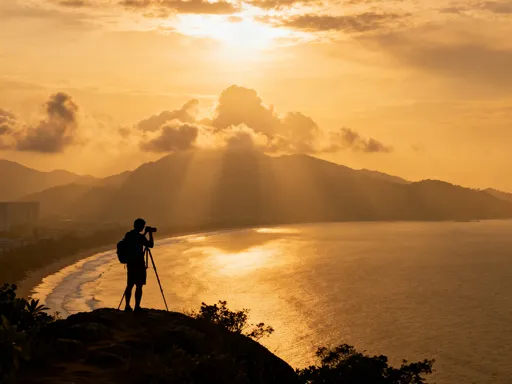
As you explore, remember that a great photo isn’t just about composition or equipment. It’s about presence. It’s about choosing a spot not because it’s popular, but because it speaks to you. Whether you’re standing on a cliff at sunset, crouched on a hidden step, or sitting quietly in a garden, let the moment guide your lens. These are the images that will stay with you long after the trip ends—the ones that carry emotion, memory, and meaning.
So pack your camera, wear comfortable shoes, and set out with curiosity. Let Monte Carlo reveal itself to you, one viewpoint at a time. Don’t just chase likes—chase light, depth, and the quiet joy of discovery. Return home not just with photos, but with stories written in sunlight, framed by the sea, and held in your heart.