You Won’t Believe What I Found in Zakynthos’ Hidden Cultural Corners
Zakynthos isn’t just about turquoise waters and beach parties—trust me, I was surprised too. Behind the postcard views, I stumbled on quiet villages, centuries-old churches, and local workshops where tradition breathes through every stone and song. This is the side of Greece most tourists miss. If you’re looking for authenticity beyond the resorts, let me take you somewhere real—where culture isn’t performed, it’s lived. Away from the crowded beaches of Laganas and the lively bars of Tsilivi, a different rhythm pulses through the island’s mountain ridges and olive-draped hills. Here, elders gather in shaded squares, artisans shape clay with weathered hands, and melodies drift from open windows long after sunset. This is Zakynthos in its truest form: not a backdrop for vacation photos, but a living, breathing community rooted in history, faith, and family.
Beyond the Beaches: Discovering Zakynthos’ Cultural Soul
Zakynthos, often celebrated for its dazzling coastline and vibrant nightlife, holds a quieter, deeper identity beneath its sun-kissed surface. While international visitors flock to its golden sands and crystal-clear coves, many overlook the island’s rich cultural tapestry woven over centuries of Venetian influence, Orthodox tradition, and agricultural resilience. The contrast between the tourist-frequented south and the inland villages is striking. Coastal resorts buzz with energy, catering to sun-seekers and partygoers, while the island’s heartland remains anchored in a slower, more contemplative way of life. It is here, in the elevated terrain and terraced hillsides, that Zakynthos reveals its soul—not as a seasonal playground, but as a place where generations have lived, worshipped, and celebrated in harmony with the land.
Cultural travel transforms a simple island getaway into a meaningful journey. When visitors venture beyond the beachfront, they gain access to authentic human stories, tangible history, and traditions that continue to thrive. This deeper engagement fosters mutual respect and enriches the traveler’s understanding of what it truly means to belong to a place. Zakynthos offers more than scenic beauty; it offers connection. Whether it’s a conversation with a village baker, a glimpse into a centuries-old chapel, or the taste of a family recipe passed down through decades, these moments create lasting impressions far beyond any photograph. The island’s cultural soul is not confined to museums or festivals—it lives in everyday rituals, in the way people greet one another, and in the pride they take in their heritage.
Exploring Zakynthos through a cultural lens also supports sustainable tourism. By directing attention—and spending—toward local artisans, family-run eateries, and lesser-known communities, travelers contribute directly to the preservation of these traditions. Unlike mass tourism, which can erode local character, mindful cultural exploration helps maintain the delicate balance between welcoming visitors and protecting identity. For the thoughtful traveler, especially those seeking depth and authenticity, Zakynthos presents an invitation: to slow down, listen closely, and discover the island not as a postcard, but as a living story still being written.
Step Into History: Traditional Villages That Time Forgot
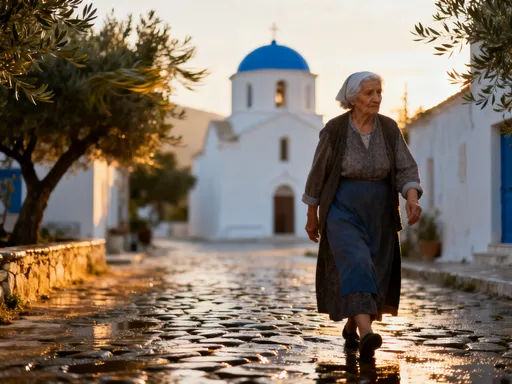
Scattered across Zakynthos’ rugged interior are villages that seem untouched by time, where life unfolds at a pace dictated by the seasons rather than the clock. Keri, perched on a cliffside in the south, offers panoramic views of the Ionian Sea, but its true charm lies in its narrow, stone-paved lanes and whitewashed homes with blue-trimmed windows. The village square, shaded by ancient plane trees, is a gathering place where locals sip coffee in the late afternoon, exchanging news and laughter. Unlike the bustling resort towns, Keri remains a place of residence, not just destination. Children play near the old stone schoolhouse, and the scent of jasmine drifts from walled courtyards, offering a sensory experience that feels both intimate and timeless.
Further north, Volimes captivates with its traditional architecture and deep-rooted connection to the land. Known for its production of currants, a crop introduced during Venetian rule, the village still relies on agriculture as a cornerstone of daily life. Stone houses with red-tiled roofs cling to the hills, their walls built from local limestone. Many homes feature ornate wooden balconies, carved by hand generations ago, now lovingly maintained by descendants. Walking through Volimes, one notices the absence of commercial signage and the presence of family names etched above doorways—signs of continuity and pride. The village’s rhythm is gentle: mornings begin with market visits to neighboring farms, afternoons are reserved for rest, and evenings bring music from open windows.
Anafonitria, nestled in the island’s central highlands, is home to one of Zakynthos’ most revered monasteries and a community deeply committed to spiritual and cultural preservation. The village’s layout follows the natural contours of the land, with footpaths connecting homes to the church and communal spaces. Here, traditions are not reenacted for tourists but lived with quiet dignity. Elders pass down stories of wartime resilience and religious devotion, ensuring that younger generations understand their heritage. These villages—Keri, Volimes, Anafonitria—represent more than scenic escapes; they are custodians of Zakynthos’ identity. Their survival depends not on isolation, but on respectful engagement from those who visit, listen, and choose to honor the way of life they represent.
Sacred Spaces: Churches and Monasteries with Stories to Tell
The spiritual landscape of Zakynthos is as rich as its physical one, dotted with churches and monasteries that serve as both places of worship and cultural landmarks. Among the most significant is the Panagia Skopiotissa Monastery, perched on a hill overlooking the town of Zakynthos. Founded in the 17th century, the monastery houses a revered icon of the Virgin Mary, believed by many to possess healing properties. Its cool stone interior, adorned with centuries-old frescoes and flickering oil lamps, offers a sense of stillness rarely found in the modern world. Visiting during a quiet morning service, I watched as an elderly woman knelt in prayer, her lips moving in silent devotion. The air was thick with the scent of beeswax and wild thyme, and the only sound was the soft chime of the priest’s bell.
Religious festivals, known locally as *panigiria*, play a vital role in community life. Celebrated on saints’ days, these events bring together families from across the island for days of prayer, music, and shared meals. The feast of Agios Dionysios, the island’s patron saint, is perhaps the most important, drawing crowds to the cathedral in Zakynthos town. But in the villages, celebrations are more intimate—held in small courtyards, with homemade wine, grilled meats, and live folk music. These gatherings are not performances; they are expressions of faith and belonging, where children dance between tables and elders sing hymns from memory. The church is not just a building—it is the center of social and spiritual life.
Other sacred sites, like the Church of Agios Nikolaos in Keri or the Monastery of Myrtidiotissa, nestled in a secluded valley, offer similar glimpses into the island’s devotional heart. Many of these structures were built or restored after the devastating 1953 earthquake, a testament to the resilience of both faith and community. Their survival speaks to a collective determination to preserve not just architecture, but the values it represents: humility, gratitude, and continuity. For visitors, approaching these spaces with reverence—covering shoulders, speaking softly, refraining from photography during services—is a small but meaningful way to honor their significance. In doing so, one doesn’t just observe tradition; one participates in its quiet endurance.
Art That Lives: Craftsmanship in Pottery, Weaving, and Woodcarving
In the mountain villages of Zakynthos, art is not confined to galleries or souvenir shops—it is alive in the hands of local artisans who continue to practice crafts passed down through generations. In small studios tucked behind olive groves or above village squares, potters shape clay on foot-powered wheels, creating vessels that echo ancient designs. These functional pieces—bowls, pitchers, storage jars—are often glazed in earthy tones and decorated with motifs inspired by nature: olive branches, grapevines, and sea waves. Each item tells a story, not only of technique but of purpose. These are not decorative replicas; they are made to be used, to hold olive oil, wine, or herbs, just as their ancestors did.
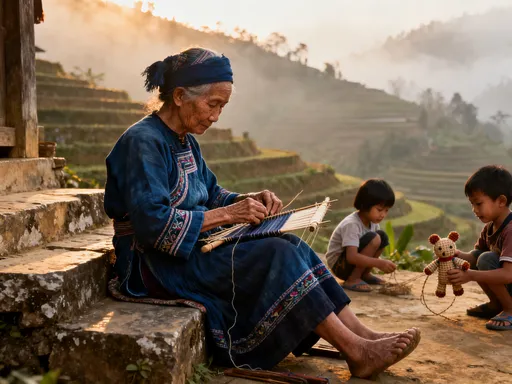
Weaving, too, remains a cherished tradition, particularly among older women in villages like Volimes and Anafonitria. Using wooden looms set in sunlit rooms, they create textiles from locally spun wool and cotton. Traditional table runners, bedspreads, and ceremonial garments are woven with intricate patterns, each symbol carrying meaning—fertility, protection, prosperity. Some designs date back to Venetian times, reflecting a blend of Greek and Italian influences. While fewer young people take up the craft today, efforts are underway to preserve these skills through informal apprenticeships and cultural workshops. Visitors who take the time to meet these artisans often leave with more than a handmade piece—they carry a deeper appreciation for the patience and pride embedded in every thread.
Woodcarving is another enduring art form, evident in the ornate church iconostases, furniture, and window frames found throughout the island. Skilled carpenters use native walnut and olive wood, shaping them into detailed reliefs of saints, floral patterns, and geometric designs. In some villages, families have maintained woodworking traditions for over a century, with tools and techniques handed down father to son. Today, these artisans welcome respectful visitors, offering demonstrations and allowing guests to try their hand at simple carving. Purchasing a handcrafted item—whether a small spoon, a framed icon, or a woven cloth—supports these traditions directly. More than a souvenir, it becomes a bridge between cultures, a tangible reminder of human skill and devotion that no factory-made object can replicate.
Voices of the Island: Music, Dialect, and Oral Traditions
Music is the heartbeat of Zakynthos, pulsing through its villages in the form of *kantades*—traditional serenades performed by small ensembles with mandolins, guitars, and lutes. These melodies, often sung in the distinctive Zakynthian dialect, speak of love, loss, the sea, and the beauty of the island. Unlike the amplified music of beach clubs, *kantades* are intimate, usually performed in courtyards, tavernas, or during religious festivals. I first heard them late one evening in Keri, when a group of musicians gathered under a grape arbor, their voices blending in harmonies that seemed to rise into the stars. No microphone, no stage—just music born of memory and emotion, shared freely with anyone who would listen.
The Zakynthian dialect, a variation of Greek with unique phonetic and lexical features, adds another layer to the island’s cultural identity. While standard Greek is used in schools and official settings, the local dialect thrives in homes, markets, and informal conversations. It carries expressions and idioms not found elsewhere, reflecting a history shaped by isolation, agriculture, and maritime life. Elders often speak it exclusively, and children learn phrases from grandparents, preserving a linguistic heritage that risks fading with time. Efforts to document and teach the dialect are growing, led by local historians and educators who recognize its value as a living archive of island life.
Oral traditions, including folk tales, proverbs, and historical anecdotes, are equally vital. In village squares, it’s common to hear stories of pirate raids, miraculous healings, or the great earthquake of 1953, recounted with vivid detail and emotional resonance. These narratives are not merely entertainment; they are tools of education and identity, teaching younger generations about resilience, faith, and community. For visitors, listening to these stories—whether over a glass of local wine or during a guided walk—offers a rare privilege: to be included, even briefly, in the island’s ongoing conversation with itself. In a world of digital noise, Zakynthos reminds us that the most powerful stories are still told by voice, memory, and heart.
Cultural Eats: More Than Just Souvlaki
To understand Zakynthos is to taste it. Beyond the familiar souvlaki and tzatziki served in tourist areas, the island’s cuisine is a reflection of its land, seasons, and traditions. Meals are deeply tied to religious calendars and agricultural cycles, with dishes prepared for specific feasts, harvests, or family gatherings. One such example is *pastitsada*, a rich beef stew slow-cooked with tomato, cinnamon, and cloves, traditionally served on Sundays or during Easter celebrations. Another is *pita me horta*, a savory pie filled with wild greens foraged from the hillsides—dandelion, amaranth, and sorrel—mixed with olive oil and lemon. These ingredients, often gathered by hand, connect the plate directly to the earth.
Family-run tavernas, especially those in inland villages, are the keepers of these recipes. In Keri, I dined at a small stone house turned restaurant, where the owner’s mother prepared *boubouristi*, a dish of scrambled eggs with local cheese and herbs, cooked over an open fire. There was no menu—just a question: “What would you like to eat today?” This kind of hospitality is common in Zakynthos, where cooking is an act of love, not commerce. Ingredients are sourced from backyard gardens, nearby farms, or the sea, ensuring freshness and sustainability. Olive oil, pressed from local groves, is used generously, often flavored with lemon peel or oregano—a combination known as *ladolemono*, a staple dressing for salads and boiled greens.
Sweets, too, carry cultural meaning. *Lazarakia*, small sweet breads shaped like crosses, are baked for Lazarus Saturday before Easter, symbolizing resurrection. *Melitinia*, cheese-filled pastries dusted with powdered sugar, are prepared during the same season. These treats are rarely found in supermarkets; they are made at home, shared with neighbors, and offered to guests as tokens of welcome. For travelers, seeking out these authentic flavors—whether at a village festival, a local market, or a family invitation—is a way to engage with Zakynthos on a deeper level. It’s not just about eating; it’s about participating in a culture where food is memory, identity, and generosity all at once.
Traveling with Respect: How to Experience Culture Without Exploiting It
As interest in cultural tourism grows, so does the responsibility to engage with communities in a way that honors rather than disrupts. Zakynthos, like many Mediterranean destinations, faces the challenge of balancing tourism with preservation. The key lies in mindful travel—approaching the island not as a consumer, but as a guest. Simple actions make a difference: visiting churches during non-service hours or asking permission before taking photographs, dressing modestly when entering sacred spaces, and avoiding loud or intrusive behavior in quiet villages. These gestures, though small, signal respect and help maintain the dignity of local life.
Supporting the local economy is another essential practice. Instead of buying mass-produced souvenirs, consider purchasing directly from artisans, farmers, or family-run shops. Dining at village tavernas, attending local festivals, and hiring local guides not only provide authentic experiences but ensure that tourism benefits those who call Zakynthos home. Choosing family-run guesthouses over large resorts keeps revenue within the community and fosters personal connections. Travelers can also deepen their impact by learning a few phrases in Greek or showing interest in local customs—simple efforts that are often warmly appreciated.
Slow travel, the practice of staying longer in fewer places, allows for more meaningful engagement. Rather than rushing from one sight to the next, taking time to sit in a village square, share a coffee, or accept an invitation to a home offers insights no guidebook can provide. It is in these unscripted moments that true cultural exchange happens. By prioritizing presence over productivity, visitors help protect Zakynthos’ heritage not through grand gestures, but through daily choices rooted in curiosity, humility, and care.
Conclusion: Zakynthos as a Living Culture, Not a Showpiece
Zakynthos is more than a destination; it is a living culture, sustained by the quiet dedication of its people. Behind the shimmering beaches and vacation villas lies a world of tradition, faith, and craftsmanship that continues to thrive because it is lived, not staged. To experience this side of the island is to move beyond sightseeing and into relationship—with places, with people, with history. It requires a shift in mindset: from taking photos to making connections, from rushing through to lingering with intention.
The value of cultural travel lies not only in what we gain—memories, insights, flavors—but in what we give back: respect, attention, and support. When we choose to explore with humility, we become part of a larger story of preservation and mutual understanding. Zakynthos does not need to be “discovered” by tourists; it needs to be seen, heard, and honored as it is. For women in their thirties to fifties—many of whom seek meaningful, enriching experiences beyond the ordinary vacation—this island offers a rare gift: the chance to connect with a way of life that values community, continuity, and care.
So the next time you plan a trip to Greece, consider stepping off the beaten path. Let curiosity guide you to a village square at dusk, to a quiet church at dawn, to a table where a grandmother shares her recipe. In these moments, you won’t just see Zakynthos—you’ll feel it. And in feeling it, you help ensure that its culture remains not as a museum piece, but as a living, breathing legacy for generations to come.