You Won’t Believe What I Found Shopping in Sihanoukville
Shopping in Sihanoukville? Honestly, I didn’t expect much—beaches, yes, but retail therapy? Not so much. Yet here I was, stumbling upon vibrant markets, hidden boutiques, and local vendors selling everything from handcrafted souvenirs to trendy beachwear. It’s not Bangkok or Phnom Penh, but that’s the charm. The city offers a raw, authentic side of Cambodian commerce. If you’re curious about where locals shop and how to score real deals, stick around—this coastal town has more retail surprises than you’d think.
The Pulse of Local Commerce: Why Sihanoukville’s Shopping Scene Stands Out
Sihanoukville, often celebrated for its sun-kissed beaches and relaxed island getaways, quietly harbors a shopping culture that reflects its unique position as a coastal hub of commerce and tourism. Unlike the bustling megamalls of Phnom Penh or the polished night markets of Siem Reap, Sihanoukville’s retail landscape thrives on spontaneity, accessibility, and cultural authenticity. It’s a city where economic transformation meets everyday life, and where shopping isn’t just about transactions—it’s a window into local rhythms and resilience.
What sets Sihanoukville apart is its blend of necessity and opportunity. As a port city with growing infrastructure and a steady influx of domestic and international visitors, the demand for goods has expanded rapidly. This has given rise to a dynamic mix of traditional market stalls, informal roadside vendors, and a slow but steady emergence of modern retail spaces. The result is a shopping environment that feels unscripted and genuine—refreshingly free of the over-curated tourist traps that dominate more commercialized destinations.
For visitors, especially women between 30 and 55 who value meaningful travel experiences, this authenticity is deeply appealing. There’s a sense of discovery in navigating open-air markets where grandmothers sell handmade bracelets beside teenagers hawking bohemian dresses. The lack of polished storefronts or air-conditioned shopping centers isn’t a drawback—it’s an invitation to engage more directly with the community. Every purchase becomes a small interaction, a moment of connection, and a chance to support local livelihoods.
Moreover, Sihanoukville’s shopping culture reflects Cambodia’s broader economic evolution. While the country continues to develop, retail remains largely informal, with small-scale vendors forming the backbone of daily commerce. In Sihanoukville, this system operates with remarkable efficiency. Goods move quickly, prices stay competitive, and customer service—though often quiet and understated—comes with a sincerity that larger retail chains struggle to replicate. For the thoughtful traveler, this isn’t just shopping; it’s a glimpse into how real people live, work, and sustain their families.
Ochheuteal Market: The Heartbeat of Everyday Shopping
If Sihanoukville has a commercial heartbeat, it pulses strongest in Ochheuteal Market. Located just off the main beach road, this bustling hub serves both residents and tourists, offering a sensory-rich experience that’s equal parts practical and cultural. Unlike the more tourist-centric shops along Serendipity, Ochheuteal Market is where locals come to buy fresh food, household items, and affordable clothing. For visitors seeking an authentic slice of Cambodian daily life, it’s an essential stop.
The market is organized into loose sections, though signage is minimal. At the entrance, you’ll find rows of fruit and vegetable stalls—mounds of rambutan, dragon fruit, and papaya stacked in colorful pyramids. The air carries the sweet scent of ripe mangoes and the earthy aroma of raw turmeric. Nearby, vendors sell dried fish, fresh herbs, and bundles of lemongrass, catering to home cooks preparing traditional meals. While some ingredients may be unfamiliar, the vendors are typically patient and willing to let you smell or touch items before deciding.
Beyond the food stalls, the market expands into clothing and accessories. Here, you’ll find everything from children’s school uniforms to cotton blouses, flip-flops, and handbags—all priced for local budgets. Quality varies, but with careful selection, it’s possible to find durable, well-made pieces at a fraction of tourist-area prices. One key tip: look for items with reinforced stitching and natural fabrics, which tend to last longer in the humid climate.
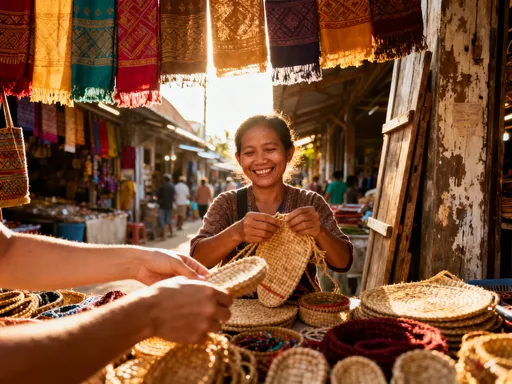
Bargaining is common but not aggressive. A polite smile and a reasonable offer—typically 20 to 30 percent below the initial price—are usually met with a counter, not resistance. It’s important to remember that many vendors are supporting families on small margins, so pushing for an unrealistically low price can feel disrespectful. Instead, aim for fairness. If you’re unsure, observe how locals negotiate—it’s often a quick exchange of numbers followed by a handshake or nod.
For safety and comfort, visit in the morning when the market is less crowded and temperatures are cooler. Wear comfortable shoes, bring a reusable bag, and keep your belongings secure. While crime is rare, petty theft can occur in busy areas. Most importantly, approach the experience with curiosity and respect. A simple “soksabay te?” (Are you well?) in Khmer can go a long way in building goodwill. Ochheuteal Market isn’t just a place to shop—it’s a place to learn, connect, and participate in the rhythm of local life.
Serendipity & Pub Street: Where Tourists Shop (and Stay)
Just a short walk from Ochheuteal Beach lies Serendipity Road, the epicenter of tourist-oriented commerce in Sihanoukville. This lively strip, extending toward the more nightlife-focused Pub Street, is lined with guesthouses, cafes, and a dense cluster of shops catering specifically to foreign visitors. It’s here that travelers find the familiar mix of souvenir stalls, beachwear boutiques, and convenience stores stocked with international snacks and essentials.
The shopping experience on Serendipity is distinctly different from Ochheuteal Market. Prices are higher, displays are more polished, and the inventory leans heavily toward what tourists expect: elephant-print sarongs, silver jewelry, refrigerator magnets, and bamboo sunglasses. While some items are locally made, others are mass-produced imports, often shipped in from Thailand or Vietnam. This doesn’t mean the area lacks value—but it does require discernment.
One of the advantages of shopping here is convenience. Stores are open late, many accept credit cards (though cash is still preferred), and staff often speak basic English. For last-minute needs—sunscreen, a new swimsuit, or a lightweight cover-up—Serendipity delivers. Boutique shops offer stylish linen dresses, hand-beaded sandals, and cotton tunics that blend tropical flair with wearable elegance, appealing to older female travelers who want to look put-together without sacrificing comfort.
That said, prices can be inflated, especially for generic souvenirs. A simple wooden carving that might cost $3 at a local market could be priced at $8 or more here. The key is to compare and, when possible, ask where items are made. Vendors who source directly from Cambodian artisans are usually proud to share that information. Look for signs indicating “handmade in Cambodia” or ask to see the maker’s name. These details often signal fairer pricing and better quality.
Pub Street, while better known for bars and live music, also hosts a handful of specialty shops worth exploring. A few small galleries sell Cambodian silk scarves and watercolor paintings by local artists. Others offer eco-friendly products like reusable straws, bamboo toothbrushes, and organic soaps—items that align with the growing interest in sustainable travel. These shops tend to be more transparent about sourcing and pricing, making them reliable options for conscious consumers.
For the 30- to 55-year-old woman who values both comfort and cultural connection, Serendipity and Pub Street offer a balanced mix of ease and exploration. While it’s wise to be selective, these areas provide access to well-curated goods and a chance to support small businesses that cater to international tastes without losing touch with local roots.
Local Markets Beyond the Tourist Eye: Finding Authentic Cambodian Crafts
Beyond the well-trodden paths of Ochheuteal and Serendipity, Sihanoukville reveals quieter, lesser-known markets where the true spirit of Cambodian craftsmanship thrives. These are not destinations advertised in guidebooks but real neighborhood hubs where families shop, artisans sell their work, and traditions are quietly preserved. For travelers seeking meaningful souvenirs—pieces with story and soul—these hidden spots offer the most rewarding experiences.
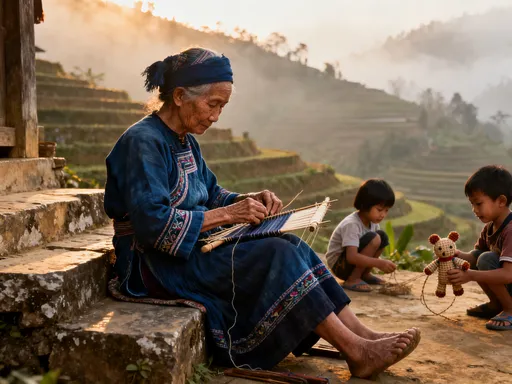
In residential areas like Prek Tuk and Kouk Roka, small community markets operate on a smaller scale but with deep local character. Here, you’ll find women weaving silk on portable looms, elders carving wooden masks for traditional dances, and potters shaping clay into functional bowls and vases. These crafts are not made for display—they are part of living cultural practices, passed down through generations. Purchasing an item here often means supporting a family’s primary income source, making the transaction deeply personal.
One standout product is Cambodian ikat silk, known for its intricate patterns and natural dyes. Unlike mass-produced imitations, authentic ikat requires months of hand-tying and dyeing before weaving. The result is a textile of exceptional beauty and durability. While genuine ikat can be expensive—ranging from $50 to $150 for a scarf or shawl—it’s a worthwhile investment for those who appreciate heirloom-quality pieces. Look for subtle imperfections in the weave; these are signs of handmade authenticity, not flaws.
Another treasure is hand-carved wooden jewelry, often made from sustainably harvested timber. Artisans shape intricate lotus flowers, temple silhouettes, and traditional motifs into lightweight earrings and pendants. These pieces are lightweight, travel-friendly, and carry a quiet elegance that resonates with mature tastes. When buying, ask about the wood type and carving process—many artisans are happy to demonstrate their techniques if time allows.
Engaging respectfully is essential. Avoid treating artisans like photo props; instead, spend time observing, asking gentle questions, and showing genuine interest. A small purchase—even just a $2 woven bracelet—can open a conversation and foster mutual respect. Remember, these markets are not performances for tourists; they are workplaces and community spaces. By approaching them with humility and curiosity, visitors can form connections that go far beyond the transaction.
Modern Convenience Meets Traditional Trade: Mini-Marts and Emerging Retail
As Sihanoukville evolves, a new layer of retail is emerging—one that blends the familiarity of modern convenience with the enduring presence of traditional trade. In recent years, international and local mini-mart chains like FamilyMart and small supermarkets have begun appearing in residential and tourist zones. These stores offer a curated selection of packaged foods, toiletries, bottled water, and ready-to-eat meals, catering to both expatriates and Cambodians with rising disposable incomes.
The rise of these stores reflects broader urban changes. With increased infrastructure development and a growing number of foreign residents, demand for consistent, clean, and reliable shopping options has grown. Mini-marts fill this gap, providing climate-controlled spaces where customers can browse shelf-stable goods, chilled beverages, and imported snacks. For travelers, they’re a welcome alternative to haggling in open-air markets when seeking specific items like sunscreen, pain relievers, or international coffee brands.
Yet, these modern outlets coexist with, rather than replace, traditional wet markets. Most Cambodian households still rely on morning trips to local stalls for fresh produce, meat, and fish. The mini-marts serve a complementary role—ideal for quick stops, emergency needs, or when time is limited. This dual system highlights Sihanoukville’s transitional identity: a city rooted in tradition but gradually adapting to new rhythms of urban life.
From a pricing perspective, mini-marts are generally more expensive than local markets but offer consistency and hygiene. A bottle of water might cost 20% more, but it comes sealed and cold. Packaged snacks are clearly labeled, reducing the risk of allergens or unknown ingredients. For health-conscious travelers, especially women managing dietary needs, this predictability can be a relief.
The presence of these stores also signals a shift in consumer behavior. Younger Cambodians, influenced by global trends, are increasingly drawn to branded products and convenience. Yet, they still value local flavors—many mini-marts stock both instant noodles and traditional rice crackers, both soda and tamarind juice. This fusion reflects a broader cultural balance: embracing modernity without abandoning heritage.
For visitors, exploring both systems offers a fuller understanding of Sihanoukville’s retail landscape. While mini-marts provide ease, they lack the human connection of a market stall. The best approach is to use both—rely on convenience stores for essentials, but make time for the markets to experience the soul of local commerce.
Practical Shopping Tips: Bargaining, Cash Rules, and What to Bring
Navigating Sihanoukville’s shopping scene becomes much smoother with a few practical strategies. First and foremost, cash is king. While some tourist shops accept cards, the vast majority of vendors—especially in markets—operate on a cash-only basis. The U.S. dollar is widely accepted, often preferred, but Cambodian riel (KHR) is still used for small change. It’s wise to carry both: use dollars for larger purchases and keep a supply of small riel bills (100, 200, 500) for snacks, drinks, and tips.
Bargaining is expected in markets and informal shops but less common in mini-marts or fixed-price boutiques. A respectful approach works best. Start by smiling and asking the price. If it seems high, offer 70% of the quoted amount and be prepared for a counter. Most negotiations settle within a few rounds. Remember, the goal is fairness, not winning. If the vendor won’t budge, it’s okay to walk away—often, they’ll call you back with a better offer.
When evaluating quality, take a moment to inspect seams, stitching, and materials. Natural fibers like cotton and silk breathe better in the heat and tend to last longer. For jewelry, check clasps and finishes; handmade pieces may have slight variations, but they should feel secure. Avoid items that smell strongly of chemicals—this can indicate synthetic dyes or poor manufacturing.
Bring a lightweight, washable tote bag for carrying purchases. Plastic bags are still common but increasingly discouraged due to environmental concerns. A reusable bag shows respect for local sustainability efforts and makes shopping more convenient. Also, consider bringing a small notebook to jot down prices, vendor names, or phrases in Khmer—many appreciate the effort, even if your pronunciation isn’t perfect.
Lastly, trust your instincts. If a deal feels too good to be true, it probably is. Be cautious of vendors who pressure you to buy or follow you persistently. Most Cambodians are kind and patient with tourists; aggressive behavior is rare and often a red flag. Shopping should feel enjoyable, not stressful. Take your time, stay hydrated, and remember that every interaction is part of the journey.
Shopping with Purpose: Supporting Local Economies and Sustainable Choices
At its best, shopping in Sihanoukville is more than a transaction—it’s an act of connection and contribution. Every dollar spent at a local market, every handmade scarf purchased from an artisan, supports families, preserves traditions, and strengthens community resilience. For the thoughtful traveler, especially women who value purposeful living, this dimension adds profound meaning to the experience.
Choosing to buy directly from makers, rather than from resellers or import shops, ensures that value stays within the local economy. It also fosters dignity—recognizing the skill and effort behind each product. A handwoven basket, a carved wooden spoon, a silk shawl dyed with natural pigments—these are not just souvenirs; they are testaments to cultural endurance and creativity.
Sustainable choices matter, too. Opting for reusable items, avoiding plastic-heavy packaging, and selecting goods made from natural, locally sourced materials reduces environmental impact. Many artisans in Sihanoukville already work sustainably, using time-honored methods that respect both people and planet. By supporting them, travelers become allies in a quiet but powerful movement toward ethical consumption.
Ultimately, shopping here invites a shift in perspective. It’s not about filling a suitcase with trinkets, but about carrying home stories, connections, and a deeper appreciation for Cambodian life. The most valuable souvenirs aren’t the ones displayed on shelves—they’re the memories of a shared smile, a patient explanation, a small act of kindness exchanged over a simple purchase.
So the next time you find yourself wandering Sihanoukville’s markets, remember: you’re not just shopping. You’re participating in a living culture, one thoughtful choice at a time. And that, perhaps, is the most unforgettable discovery of all.