You Won’t Believe These Hidden Leisure Spots in Brighton
Brighton isn’t just about the pier and fish and chips—trust me, I’ve wandered far beyond the postcard views. What makes this seaside city special is how effortlessly it blends relaxation with quirky charm. From tucked-away rooftop bars to silent reading cafés where time slows down, I discovered a side of Brighton most tourists miss. It’s the kind of place where leisure feels personal, almost private. If you’re looking for calm, character, and a few “how-did-I-not-know-about-this” moments, let me take you through the real vibe of Brighton’s most underrated spots.
The Quiet Escape: Seaside Tranquility Beyond the Crowds
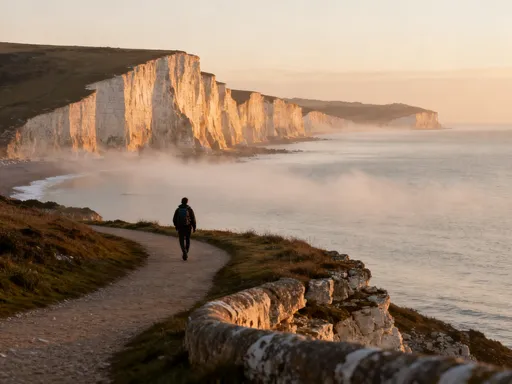
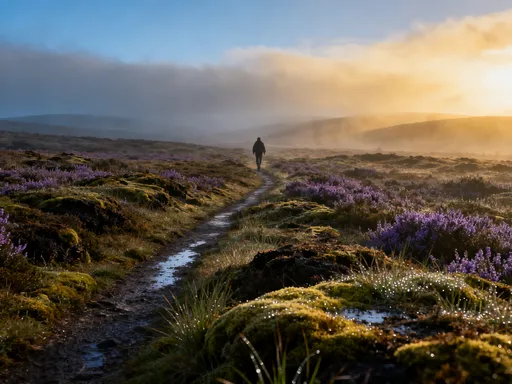
Brighton’s coastline is often associated with bustling promenades and lively beach huts, but just a short walk from the city center, a quieter rhythm emerges. One of the most profound experiences of seaside serenity can be found along the South Downs Way, particularly on the stretch known as the Seven Sisters walk. This trail traces the dramatic white chalk cliffs that rise gently above the English Channel, offering sweeping views that stretch for miles. What sets this path apart is not just its beauty, but the sense of solitude it provides, especially during early mornings or on overcast days when most visitors stay close to the boardwalk.
The walk from Seaford to Eastbourne, passing each of the seven iconic peaks, takes about three to four hours at a relaxed pace. Yet it’s not the duration that matters most—it’s the quality of presence that the landscape invites. The sound of waves below, the soft crunch of chalk underfoot, and the occasional cry of seabirds overhead create a natural symphony that quiets the mind. Unlike the packed lanes of central Brighton, this route sees fewer crowds, allowing space for reflection and connection with nature. For those who prefer a more intimate coastal experience, the small cove near Rottingdean, accessible via a narrow footpath from the village, offers a hidden beach where the sea laps gently against smooth stones, and children build driftwood forts undisturbed.
Timing plays a crucial role in securing these moments of solitude. Arriving at the beach before 8 a.m., when the city is still waking, transforms the shoreline into a personal retreat. The golden light of sunrise reflects off the wet sand, turning the tide pools into mirrors. Locals who practice morning beach yoga or take quiet strolls along the shoreline often speak of this time as their daily reset—a ritual that grounds them before the day unfolds. These are not grand gestures of escape, but subtle, repeatable acts of self-care woven into everyday life. For the visiting traveler, adopting even one of these quiet routines can shift the entire tone of a trip from hectic sightseeing to meaningful presence.
Hidden Cafés with a Soul: Where Locals Unwind
While The Lanes are famous for their bustling tea rooms and colorful storefronts, Brighton’s true café culture thrives in quieter corners known to residents but often overlooked by tourists. These are not places designed for social media snapshots, but spaces built for lingering, reading, and conversation. One such gem is The Open House, a community-run café nestled near St. Bartholomew’s Church. With its wooden bookshelves, mismatched armchairs, and soft background music, it feels more like a friend’s living room than a commercial space. Opened with the intention of fostering connection and mental well-being, it welcomes visitors with free tea, homemade cakes, and a non-judgmental atmosphere.
What makes these hidden cafés special is their intentionality. They are not merely places to consume coffee but environments curated for emotional ease. Another example is a small tea room tucked above a vintage shop on Tidy Street, where the owner, a retired teacher, brews loose-leaf jasmine and oolong in delicate porcelain. There are no menus printed in chalk, no Wi-Fi password signs—just a quiet nod toward the selection behind the counter. Customers are encouraged to sit, sip, and stay as long as they like. The absence of rush creates a rare sense of permission: permission to do nothing, to simply be.
These spaces redefine leisure not as entertainment, but as restoration. In a world where every moment feels scheduled, the simple act of sitting with a warm drink and a novel becomes revolutionary. For women between 30 and 55—often juggling family, work, and personal needs—such cafés offer a sanctuary where they can reclaim a fragment of time for themselves. There’s no pressure to perform, no need to multitask. The atmosphere whispers: You belong here, just as you are. These are the kinds of places that turn a city visit into a soulful experience, reminding us that the best memories are often made in stillness.
Rooftop Retreats and Skyline Views
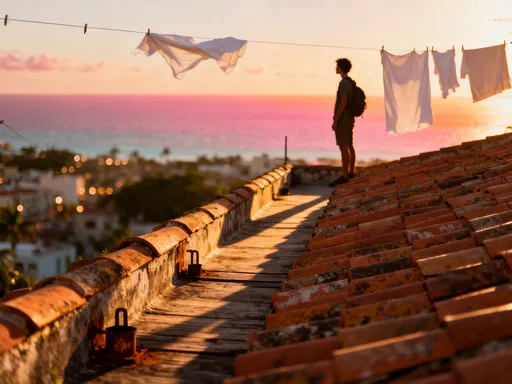
When people think of rooftop views in Brighton, they often imagine crowded summer bars with DJs and cocktail lists. But there’s another side to the city’s elevated spaces—quieter, more contemplative spots where the sea breeze carries more than just the scent of salt. The rooftop terrace at The Queens Hotel, located just behind the main train station, is one such retreat. Far from the flashy rooftop lounges of central London, this space is understated: simple wooden benches, potted plants, and an unobstructed view of the horizon where sky meets sea. It’s the kind of place where you can sit with a cup of herbal tea and watch the light shift across the water as the day softens into evening.
Another lesser-known option is the top-floor lounge of a boutique guesthouse on Montpelier Road. While not open to the public without a reservation, some guests generously allow friends to join them for sunset drinks, creating an intimate, almost private experience. These rooftop spaces are not about exclusivity, but about elevation—both physical and emotional. Being above the street noise, away from the flow of foot traffic, offers a mental reset. You see the city from a different angle, literally and figuratively. The chaos below becomes a distant hum, and your thoughts gain clarity.
What makes these rooftops truly special is their accessibility without spectacle. They don’t require a dress code or a minimum spend. You won’t find neon signs or loud music—just the quiet joy of perspective. For the thoughtful traveler, especially one seeking moments of calm amidst travel’s inevitable disruptions, these perches offer a rare gift: a chance to breathe deeply and gather oneself. Whether you’re reflecting on a recent life change, savoring a moment of solitude, or simply watching the gulls circle above the waves, these rooftop retreats prove that the best views aren’t always the busiest ones.
Leisure in Unlikely Places: Libraries, Gardens, and Secret Courtyards
Brighton is home to several public spaces that, despite their accessibility, feel remarkably private. One of the most underrated is the backside of the Royal Pavilion, where the formal Pavilion Gardens unfold in quiet elegance. While most visitors enter through the grand front gates, drawn by the Indo-Saracenic architecture, few continue to explore the garden’s eastern edge, where a row of ancient yew hedges frames a secluded lawn. Benches are placed thoughtfully beneath mature trees, offering shade and solitude. This is where locals come to read, sketch, or simply close their eyes and listen to the rustle of leaves.
Another hidden sanctuary is the Brighton History Centre, housed in a former church on Old Steine. Its reading room, with tall windows and polished oak tables, is open to the public and rarely crowded. The air carries the faint scent of old paper and beeswax, and the silence is deep but not intimidating. Women researching family histories, students writing essays, and retirees browsing local archives all share the space in peaceful coexistence. It’s a reminder that leisure isn’t always active—it can also be the quiet dignity of focused attention.
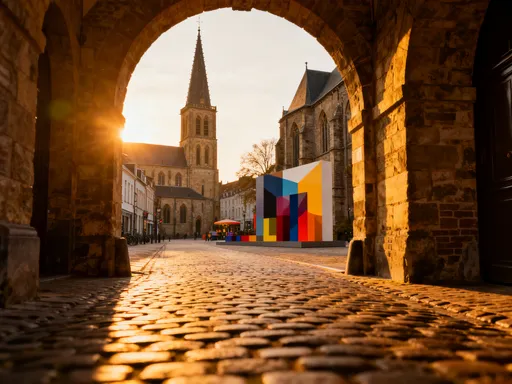
Then there are the secret courtyards tucked between buildings in the North Laine district. One, accessible through a narrow archway off Kensington Gardens, opens into a cobblestone square with a fountain and climbing wisteria. A small café on one side serves only breakfast and mid-morning tea, closing by 2 p.m. to preserve the calm. These courtyards were originally built as residential commons in the 19th century, and though the city has changed around them, their spirit remains. They are spaces designed for community, yet they offer solitude. In a world where public places often feel either sterile or overwhelming, these pockets of intentional design remind us that beauty and peace can coexist in the most ordinary places.
Creative Downtime: Art Studios and Independent Workshops
In Brighton, leisure often blurs into creativity, not as a performance, but as a form of gentle engagement. Scattered throughout the city are small studios that invite participation without pressure. One such place is a ceramic workshop on Gloucester Road, where weekly hand-building classes draw women of all ages. The room is warm, lit by natural light from large windows, and the shelves are lined with unfinished mugs, bowls, and vases in various stages of drying. There’s no expectation of mastery—just the simple joy of shaping clay with your hands, feeling its cool, yielding texture, and losing track of time.
Another example is a print-making lab near the university, where beginners learn linocut techniques in small group sessions. The instructor, a practicing artist, emphasizes process over product. “It’s not about making something perfect,” she says. “It’s about making something true.” These workshops are not marketed as luxury experiences or Instagrammable events. They are humble, community-focused spaces where the act of creation becomes a form of meditation. For many attendees, especially those who spend their days managing households or offices, the tactile nature of these activities offers a rare form of release.
What makes these creative spaces powerful is their emphasis on doing rather than achieving. In a culture that often equates rest with consumption—shopping, scrolling, watching—these studios offer an alternative: rest as making. The finished piece, whether a lopsided bowl or a slightly smudged print, becomes a quiet trophy of presence. It says: I was here. I made something with my hands. I mattered in this moment. For the woman who rarely sees tangible results from her daily efforts, this kind of leisure can be deeply affirming.
Wellness Without the Hype: Low-Key Self-Care Spots
Brighton has no shortage of wellness trends, but the most nourishing experiences are often the simplest. Skip the overpriced juice bars and celebrity-endorsed yoga retreats. Instead, seek out the quiet yoga studio on Richmond Road, where classes are small, donation-based, and taught by instructors who prioritize breath over posture. The space is unadorned—wooden floors, soft lighting, and a shelf of well-worn mats. There’s no branding, no merchandise, no pressure to “transform” your life in one session. Just 75 minutes of guided movement and stillness.
Another hidden gem is the seaside meditation group that meets weekly at dawn on the eastern edge of the beach. Led by a retired nurse, the group gathers in a loose circle, facing the water. They begin with five minutes of silent breathing, followed by a short reading—sometimes poetry, sometimes philosophy—before returning to silence. No doctrine, no dogma, just shared presence. Participants come from all walks of life: mothers, artists, shopkeepers, and retirees. What binds them is a shared desire to start the day with intention rather than reaction.
There are also natural wellness centers that focus on holistic care without the commercial gloss. One such center, located in a converted Victorian house, offers aromatherapy, reflexology, and herbal consultations. The practitioners are trained, licensed, and deeply committed to their craft, but they avoid flashy claims. “We don’t promise miracles,” one therapist says. “We offer support, listening, and gentle care.” In a world saturated with wellness marketing, these spaces stand out for their honesty and humility. They understand that true self-care is not about looking good, but about feeling grounded, seen, and at peace.
Why Private Leisure Matters in a Busy World
In an age of constant connectivity and curated lives, the value of private leisure cannot be overstated. The hidden spots of Brighton—whether a rooftop at dusk, a quiet café with a bookshelf, or a dawn meditation circle—offer more than just relaxation. They offer a chance to reconnect with oneself. For women who often serve as the emotional anchors of their families, these moments of unobserved rest are not indulgences. They are necessities. They restore balance, renew energy, and protect mental well-being.
What makes these spaces so effective is their lack of performance. There are no photo ops, no check-ins, no need to prove you were there. You can simply exist. This freedom from visibility allows for a deeper kind of presence—one that is not shaped by audience or expectation. It’s in these unadvertised corners that leisure becomes authentic, not as an activity, but as a state of being.
And the lesson extends beyond Brighton. Every city has its quiet spots, its overlooked courtyards, its under-the-radar cafés. The key is to slow down, observe, and follow the rhythm of local life rather than the pulse of tourism. Ask a shopkeeper where they go to unwind. Walk a few streets beyond the main attractions. Arrive early, stay late, and be willing to sit in silence. These small acts of attention can lead to the most meaningful discoveries.
True leisure isn’t about being seen—it’s about feeling unseen. In Brighton, the best moments aren’t on billboards but in quiet corners where time stretches and breath slows. These venues remind us that rest can be rich, personal, and deeply human. The next time you travel, don’t chase the crowd—follow the silence. It might just lead you to the most unforgettable part of the city.