You Won’t Believe the Flavors Hiding in Tajikistan’s Wild Places
When I first arrived in Dushanbe, I expected rugged mountains and quiet streets—but not a food scene thriving in the shadows of protected nature reserves. Turns out, some of the most unforgettable meals come from untouched landscapes where tradition meets wilderness. From highland herbs to valley-grown grains, Dushanbe’s cuisine draws deep from its natural soul. This is food with roots—literally. Let me take you where flavor grows wild and every bite tells a story.
Arrival in Dushanbe: First Impressions and Culinary Curiosity
Dushanbe greets visitors with an unexpected charm—a city wrapped in greenery, nestled between arid foothills and distant snow-capped peaks. The capital of Tajikistan may not top every traveler’s list, but those who linger soon discover a rhythm shaped by nature and tradition. Tree-lined avenues, public gardens, and the Varzob River winding through the city reflect a deep cultural respect for natural balance. Yet beyond the orderly parks and Soviet-era architecture lies a culinary world pulsing with wild energy.
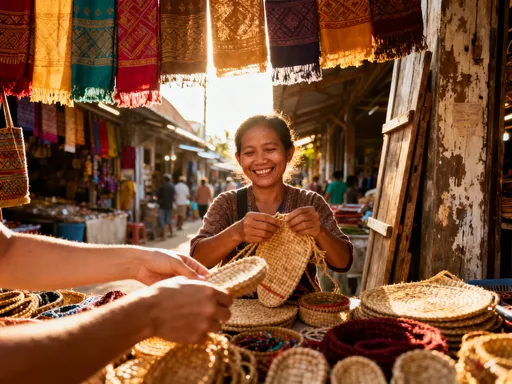
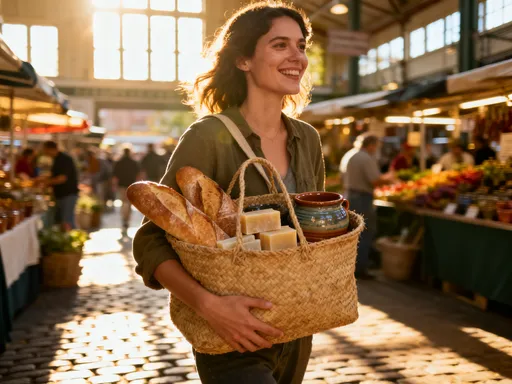
The city’s bustling markets reveal the first clues. At the central bazaar, wooden crates overflow with sun-warmed apricots, deep-purple plums, and bunches of aromatic greens still dusted with mountain soil. Vendors call out in Tajik, their voices rising above the clatter of baskets being loaded and unloaded. Here, the boundary between urban life and rural harvest blurs. Many ingredients arrive daily from villages tucked within or near protected natural zones—areas where farming follows age-old rhythms and chemical inputs are rare.
What surprises most is how deeply the city’s palate depends on untouched landscapes. The yogurt is tangier, the herbs more pungent, the bread more fragrant—not because of elaborate techniques, but because of where these ingredients begin their journey. In Dushanbe, food is not separated from nature; it is an extension of it. Every spoonful of soup, every pinch of dried herb, carries the essence of high-altitude meadows and sheltered valleys preserved by both policy and practice.
The Role of Protected Areas in Shaping Local Food
The richness of Dushanbe’s cuisine is no accident. It is sustained by a network of protected natural areas that guard the ecological foundations of food production. Among the most significant are the Dashtijum State Biosphere Reserve and the Jamgak Valley, both located within a few hours’ drive from the capital. These zones, established to protect endangered species like the markhor goat and the Siberian ibex, also serve as vital reservoirs of biodiversity that directly benefit local agriculture.
By limiting industrial development and unregulated grazing, these reserves maintain clean watersheds. Streams fed by glacial melt flow from these highlands into irrigation channels that nourish downstream farms. The result is pure water—free of pollutants—that supports organic farming practices long before the term became a global trend. In this way, conservation is not just about saving animals; it is about preserving the conditions under which wholesome food can grow.
Moreover, protected areas act as living seed banks. Native plant species, including wild relatives of cultivated crops, continue to thrive in these zones. Farmers sometimes collect seeds from the peripheries—where permitted—for use in their own fields, enhancing genetic diversity and resilience against pests and drought. This quiet exchange between conservation and cultivation ensures that traditional crops remain part of the food system rather than fading into memory.
Local authorities, in collaboration with environmental NGOs, have implemented community-based stewardship programs. These initiatives train villagers in sustainable harvesting and offer incentives for protecting forest cover and water sources. As a result, the relationship between people and protected lands is not adversarial but symbiotic. The land provides, and in return, communities help guard it—knowing full well that their tables depend on its health.
Wild Herbs and Mountain Flavors: A Taste of the High Country
If there is one element that defines the soul of Tajik cuisine, it is the use of wild herbs. In the highlands surrounding Dushanbe, foraging is not a trend—it is a tradition passed through generations. During a visit to a village market in the Hissor Valley, I watched as elderly women arranged bundles of fresh greens on cloth spreads. Each had a name known only to locals: chukanda, a form of mountain thyme with a lemony bite; sabzī, a complex mix of wild mint, dill, and unidentified leafy greens; and panjai sabz, a pungent green used sparingly in soups and dumplings.
The difference between these wild herbs and their cultivated counterparts is unmistakable. At a roadside stall, I tasted a simple dish of qurutob—a national favorite made with flatbread soaked in yogurt and layered with herbs. The version made with store-bought greens was mild, almost bland. But when the vendor pulled out a fresh bunch of foraged sabzī, chopped it on the spot, and stirred it in, the flavor transformed. Suddenly, the dish burst with sharp, earthy notes—like the mountain air itself had been captured in a bowl.
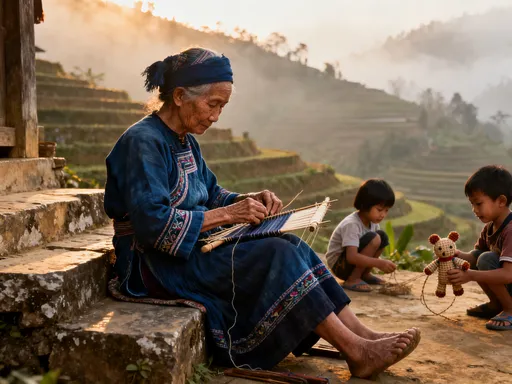
Later that day, I was invited into a family home where lunch was being prepared over a wood-fired stove. The grandmother, wearing a floral headscarf, walked into the yard and snipped several sprigs from a bush growing near the fence. “This grows wild,” she said, holding up a fragrant branch of chukanda. “We do not plant it. It comes back every spring on its own.” She added it to a pot of simmering lentils, and within minutes, the entire house filled with a citrus-tinged aroma. In that moment, I understood: here, flavor is not manufactured—it is discovered.
From Pasture to Plate: Sustainably Raised Dairy and Meat
Tajikistan’s highland pastures are more than scenic—they are the source of some of the country’s most cherished foods. In the foothills near the Jamgak Valley, herders guide flocks of sheep and goats across rolling meadows, following seasonal routes that have changed little in centuries. These animals graze on a diverse mix of native grasses and herbs, contributing to the unique taste of their milk and meat.
One of the most prized products is qatiq, a thick, fermented milk with a clean, tangy flavor. Unlike industrial yogurt, qatiq is often made in homes or small dairies using raw milk from animals that have never seen a feedlot. The fermentation process is natural, relying on ambient cultures rather than commercial starters. The result is a living food—rich in probiotics and deeply satisfying, especially when drizzled with wildflower honey collected from hives placed near protected forests.
Equally notable are the handmade cheeses—some soft and spreadable, others aged in cloth for months. A dairy cooperative on the outskirts of Dushanbe sources milk from herders who practice rotational grazing, moving their animals to allow grasslands to recover. This method not only prevents overgrazing but also maintains soil health and carbon sequestration—making it a quiet form of climate action.
The connection between conservation and quality is clear. When pastures are protected, the animals thrive. When animals thrive, their milk carries more nutrients and better flavor. And when families process this milk with care, they create foods that are not just delicious but deeply tied to place. In a world of standardized dairy, Tajikistan offers a reminder: true richness comes from respect for the land.
Traditional Grains and Forgotten Crops Revived
While herbs and dairy steal the spotlight, the foundation of many Tajik meals lies in ancient grains. In the fertile valleys near protected areas, farmers continue to grow forgotten varieties like bajra (pearl millet) and qamchi gandum, a hardy local wheat adapted to the region’s dry summers and cold winters. These crops require little irrigation, resist pests naturally, and thrive in soil that would challenge modern hybrids.
During a visit to a community-supported farm near the village of Nusratullo, I saw fields of qamchi gandum swaying in the breeze, their golden stalks standing tall against the mountain backdrop. The farmer, a man in his sixties named Rahmatullo, explained that he uses no synthetic fertilizers. “The soil is healthy because we rotate crops and leave parts of the land fallow,” he said. “And we save seeds from the best plants each year. This way, the grain becomes stronger, not weaker.”
The farm supplies flour to a growing network of bakeries in Dushanbe that specialize in traditional breads. One such bakery, tucked in a quiet neighborhood, bakes non—round, sesame-dotted loaves—in a wood-fired tandoor oven. The bread made with qamchi gandum flour has a nuttier taste and denser texture than commercial versions. It stays fresh longer and feels more substantial—perfect for soaking up yogurt or stew.
What makes this revival significant is not just flavor, but resilience. As climate patterns shift and droughts become more frequent, these heirloom grains offer a sustainable alternative to water-intensive crops. Local agricultural researchers are now studying their genetic traits, hoping to promote wider use. At the same time, cultural organizations host grain festivals to educate younger generations about their heritage. In doing so, they ensure that these crops are not just preserved in seed banks—but on dinner tables.
Cooking in the Wild: Experiencing Food in Nature
To truly understand the connection between land and plate, I joined a guided day trip into a protected foothill zone outside Dushanbe. Our guide, a local naturalist named Farhod, carried a woven basket containing fresh yogurt, flatbread dough, and a knife for foraging. As we hiked through a sun-dappled grove of wild almond trees, he pointed out edible plants: a creeping vine with tart leaves used in salads, a fuzzy herb that calms stomachaches, and a flowering plant whose roots are roasted as a coffee substitute.
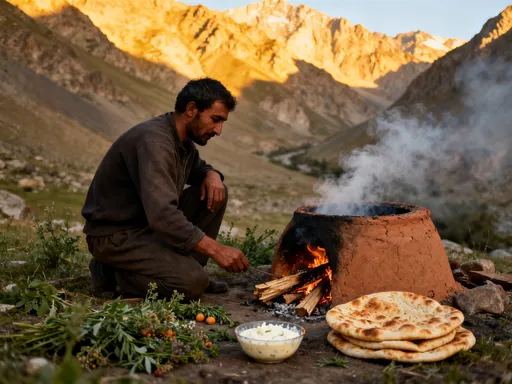
We stopped at a clearing beside a clear-running stream. Farhod gathered dry apricot branches—fallen, not cut—and built a small fire. Over the flames, he placed a portable metal tandoor. As the dough puffed and browned, he mixed yogurt with chopped wild mint and a sprinkle of salt. He then pulled fresh greens from his basket—sabzī gathered that morning—and tossed them into a hot pan with butter.
The meal was simple: warm bread, creamy yogurt, and a fragrant herb sauté. Yet the taste was extraordinary. The air smelled of woodsmoke and wild thyme. The bread had a slight char, the yogurt was cool and rich, and the herbs exploded with freshness. Eating in that setting—surrounded by birdsong and mountain silence—transformed the experience. It was not just food; it was a ritual of gratitude for the land.
This kind of open-air cooking is still common in rural Tajikistan, especially during seasonal migrations or family outings. It represents a way of eating that is immediate, honest, and deeply connected to place. No packaging, no preservatives, no long supply chains—just ingredients gathered with care and prepared with intention. In a world dominated by processed foods, such moments feel like a return to something essential.
Preserving Flavor: Challenges and Hope for the Future
Despite its richness, this food culture faces real threats. Climate change is altering growing seasons, with warmer winters disrupting the dormancy cycles of fruit trees and herbs. Erratic rainfall affects both pasture quality and grain yields. At the same time, economic pressures push some families to sell land for development or switch to higher-yield, less sustainable crops.
Overharvesting is another concern. As demand for wild herbs grows—both locally and through informal export—some species face depletion. Without proper regulation, foraging could shift from tradition to exploitation. Similarly, the expansion of roads and infrastructure near protected areas risks fragmenting habitats and polluting water sources.
Yet there is reason for hope. Across Tajikistan, grassroots initiatives are working to protect both nature and food heritage. In schools near Dushanbe, environmental educators teach children to identify native plants and understand their role in the ecosystem. Cooking workshops introduce urban youth to traditional recipes, linking flavor to conservation. Some tourism operators now offer “flavor trails”—guided tours that combine hiking with visits to farms, dairies, and village kitchens.
International partnerships are also playing a role. Organizations like the UN Food and Agriculture Organization have supported projects to document traditional crops and strengthen community land rights. These efforts recognize that preserving biodiversity is not just about species counts—it is about safeguarding ways of life. When a child learns to bake bread with heirloom wheat or a herder continues to rotate his flocks, they are not just surviving—they are resisting homogenization.
The future of Tajikistan’s wild flavors depends on balance. It requires policies that protect ecosystems while supporting rural livelihoods. It calls for consumers—both local and global—who value authenticity over convenience. And it demands a shift in how we think about conservation: not as a barrier to development, but as a foundation for resilient, flavorful, and nourishing food systems.
Dushanbe taught me that great food doesn’t start in kitchens—it begins in forests, meadows, and high pastures kept alive by care and tradition. When we protect nature, we also safeguard flavor, culture, and nourishment. Next time you eat, ask where it truly came from. The answer might lie in a protected valley few have heard of—but whose taste you’ll never forget.