What I Discovered in Cartagena That Changed How I Travel Forever
Cartagena isn’t just postcard-perfect beaches and colorful colonial streets—it’s a living rhythm that pulls you in. I went looking for sun and sand, but found something deeper: real moments, hidden corners, and experiences that travel guides never mention. From secret rooftop views to late-night conversations with locals, this city rewired my idea of what travel should feel like. If you’re coming for the beauty, stay for the soul. Let me show you why.
Arrival: First Impressions Beyond the Brochure
The moment I stepped off the plane, the Caribbean heat wrapped around me like a warm towel. It wasn’t just the temperature—it was the energy. The airport buzzed with music, snippets of rapid Spanish, and the scent of frying plantains drifting from a nearby kiosk. A woman in a bright floral dress handed out water with a smile that felt genuine, not rehearsed. That small gesture set the tone. I had seen countless images of Cartagena online—perfectly framed shots of pastel buildings, empty beaches at golden hour, cobblestone streets without a soul in sight. But the reality was messier, louder, and far more alive.
As I rode into the city, the landscape unfolded in layers. The modern high-rises of Bocagrande gave way to the ancient stone walls of the historic center. Children waved from balconies, street vendors balanced trays of mango slices on their heads, and roosters crowed from unseen backyards. There was no silence, no stillness—only movement and music. I realized then that I had unknowingly arrived with a checklist: see the cathedral, take the photo, buy the souvenir. But Cartagena doesn’t reward rushing. It rewards presence. The city doesn’t perform for visitors; it simply lives, and you’re either part of it or just watching.
That first evening, I wandered without direction. I got lost—truly lost—between the narrow alleys of Getsemaní, where laundry lines crisscrossed overhead and the smell of garlic and cumin spilled from open kitchen windows. A group of teenagers waved me over to a small plastic table where they were sharing empanadas. I didn’t speak much Spanish, and they didn’t speak English, but we laughed over spilled soda and bad hand gestures. In that moment, I let go of the curated version of travel I had been chasing. There was no filter, no perfect lighting, no audience. Just connection. And it was more powerful than any photo I could have taken.
Walking the Old City: Where History Whispers from Every Wall
The walled city of Cartagena is often described as a museum, but that’s a misunderstanding. Museums preserve the past behind glass. Here, history isn’t preserved—it’s lived. The cobblestones underfoot are worn smooth by centuries of footsteps, each groove telling a story of merchants, soldiers, and families who once called this place home. The balconies, draped in bougainvillea the color of crushed raspberries, lean slightly with age, as if whispering secrets to those who pause long enough to listen.
I spent an entire morning walking without a map, letting curiosity guide me. In Getsemaní, the streets pulse with creativity. Murals cover entire buildings—vibrant scenes of Afro-Caribbean heritage, political pride, and everyday life. One depicted a grandmother braiding her granddaughter’s hair, the words *Raíces que no se ven* painted beneath: roots that cannot be seen. It struck me how much of Cartagena’s soul lies beneath the surface, visible only if you know where to look.
Later that day, I stumbled upon a block party. It wasn’t advertised or scheduled—just a spontaneous celebration after a neighbor’s birthday. Someone had dragged a speaker into the street, and a circle of dancers moved in perfect rhythm. An older woman in a yellow dress waved me in. I hesitated, but she grabbed my hand and pulled me into the circle. I didn’t know the steps, but no one seemed to care. We danced until the sun dipped behind the church steeple, laughter ringing through the alleyways. Afterward, a man offered me a glass of *limonada de coco*, and we sat on the steps, talking in broken Spanish and gestures. His name was Rafael, and he had lived in the same house his entire life. When I asked what he loved most about his neighborhood, he smiled and said, *La gente. Siempre la gente.* The people. Always the people.
That afternoon changed my understanding of sightseeing. I had once thought travel was about collecting landmarks—the cathedral, the fortress, the famous square. But in Cartagena, I learned that the real landmarks are the moments: the shared meal, the unexpected dance, the invitation into someone’s world. Authenticity isn’t found in brochures. It’s found in lingering long enough to be seen.
Beyond the Beach: Real Waterfront Experiences
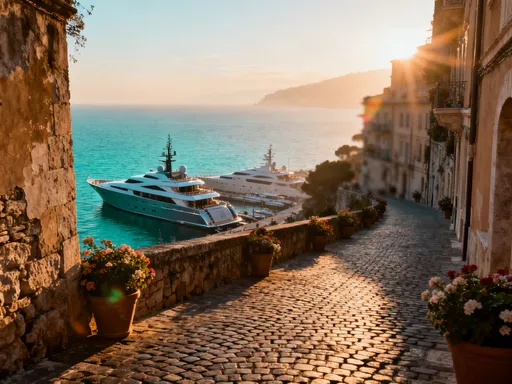
Bocagrande’s long stretch of sandy beach is convenient, clean, and lined with hotels—but it’s also crowded, commercial, and disconnected from local life. I enjoyed a morning swim there, but the real magic of Cartagena’s coastline lies elsewhere. A short boat ride away, on Isla Tierra Bomba, I discovered a different rhythm. The island is modest—no resorts, no souvenir shops, no sunbed rentals. Instead, wooden fishing boats bob in the shallows, their nets drying in the sun. Children leap off wooden docks with fearless joy, their shrieks echoing across the water.
I went with a local guide named Mateo, who grew up on the island. He took me to a small family-run restaurant perched on stilts above the water. The menu was simple: grilled fish, coconut rice, and fried yuca. The woman cooking, Doña Elena, greeted Mateo like a son and offered me a seat at her table. As we ate, she told stories of hurricanes, of fishing at dawn, of how her father taught her to read the tides. There was no script, no performance—just life, shared openly.
Later, Mateo showed me how to spot the best fishing spots by watching the birds. We sat on the dock, our feet dangling above the water, as he explained the names of the fish and the rhythms of the sea. It wasn’t a tour; it was a lesson in respect for the ocean and those who depend on it. I left with a deeper appreciation for coastal communities—not as backdrops for vacation photos, but as resilient, proud people with deep ties to their environment.
For travelers seeking these kinds of experiences, timing and preparation matter. The best days to visit are weekdays, when the island feels quieter and more authentic. Bring water, sunscreen, and cash—there are no ATMs. Wear light clothing and sturdy sandals for walking on uneven ground. Most importantly, go with humility. Ask permission before taking photos. Buy your lunch from small vendors. Listen more than you speak. When you approach a place like this with respect, the rewards are immeasurable.
Flavors That Tell Stories: Eating Like a Local
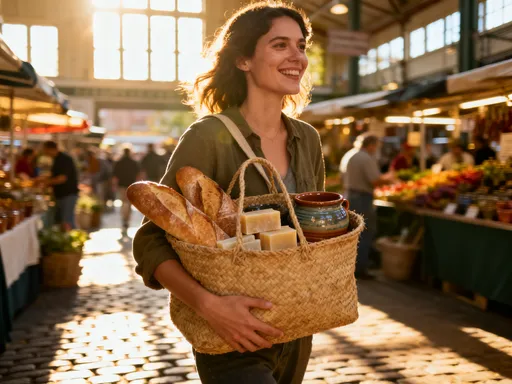
In Cartagena, food is memory. It’s not just about taste—it’s about who made it, where, and why. One of my most vivid moments came from a simple street cart in Getsemaní. The vendor, a woman named Carmen, served *arepas de huevo*—corn cakes with a whole fried egg inside. She cooked them over a small charcoal grill, flipping them with practiced ease. I pointed and smiled, and she handed me one with a wink.
That first bite was revelation: crispy on the outside, soft within, the yolk oozing like liquid gold. But more than the flavor, it was the conversation that followed. I asked her, in clumsy Spanish, *¿Qué comes en tu casa?* What do you eat at home? Her face lit up. She listed dishes—*sancocho de pescado, arroz con coco, patacones con guacamole*—and invited me to return the next evening. I did. She introduced me to her daughter, who cooked *sancocho*, a hearty fish stew simmered with plantains, yuca, and herbs. We ate in her small backyard, surrounded by potted plants and the hum of the neighborhood.
This became a pattern. Instead of following restaurant rankings, I started asking people what they cooked for their families. A taxi driver told me about *mojito de maracuyá*, a passionfruit drink his wife made every Sunday. I found a stall near the market that served it, icy and tart, perfect for the heat. A hotel housekeeper recommended a bakery where they made *obleas*—thin wafers filled with arequipe and cheese. Each meal became a doorway into someone’s life.
Of course, food safety matters. I stuck to stalls that were busy, where turnover was high. I avoided raw vegetables unless I knew they’d been washed in bottled water. I drank only sealed bottled water or beverages made with purified ice. But I didn’t let fear override curiosity. The goal wasn’t to avoid risk entirely—it was to engage thoughtfully. Every bite connected me to culture, to history, to people. And that, I realized, is the true nourishment of travel.
Rooftops, Rhythms, and Late Nights: The Pulse After Dark
As the sun sinks over the Caribbean, Cartagena transforms. The heat softens, the light turns golden, and the city exhales. This is when the real rhythm begins—not in nightclubs or tourist bars, but in the quiet moments between neighbors, in music that drifts from open windows, in the laughter of families sharing dinner on their balconies.
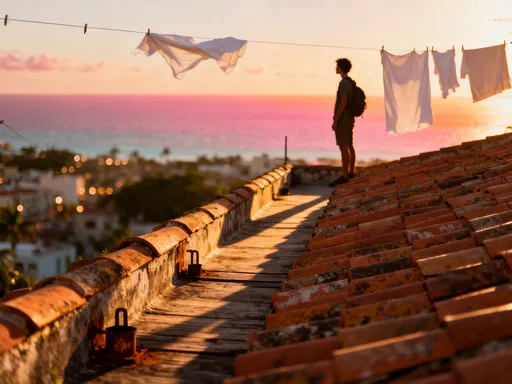
One evening, Mateo invited me to a rooftop in Centro. It wasn’t a fancy bar—just a flat terrace with plastic chairs and a view of the sea. We brought *aguapanela* sweetened with lime and sat in comfortable silence as the sky deepened from orange to violet. Below, couples strolled along the seawall, some dancing barefoot to the distant beat of Afro-Caribbean drums. A group of musicians played near the old fort, their rhythms pulsing through the stones.
There was no agenda, no schedule. We talked about family, music, the changes in the city. He told me how tourism had brought opportunity but also challenges—rising prices, crowded streets, the risk of losing authenticity. Yet, he said, as long as locals still gathered like this, as long as music still filled the night, the soul of Cartagena would endure.
That night taught me the power of timing and curiosity. The best moments in travel often happen after the guidebooks end, when you say yes to an invitation, when you stay a little longer, when you let the city breathe around you. I used to think the purpose of travel was to see as much as possible. Now I know it’s about feeling as deeply as possible. And sometimes, the deepest feelings come not from doing, but from simply being.
Choosing What Matters: How to Travel Deeper in Cartagena
Cartagena taught me to travel differently—not to collect destinations, but to cultivate connection. The shift began with slowing down. Instead of packing every day with tours, I allowed space for wandering, for sitting in a plaza with a notebook, for saying yes to an unplanned invitation. I learned a few essential Spanish phrases—*¿Cómo se llama?*, *Gracias por su hospitalidad*, *¿Qué recomienda?*—and found that even imperfect attempts were met with warmth.
Dressing respectfully also made a difference. I chose lightweight, modest clothing—long skirts, loose blouses, sandals that could handle cobblestones. It wasn’t about conforming, but about showing respect for the culture. When people saw that I wasn’t treating the city like a backdrop for Instagram, they opened up more freely.
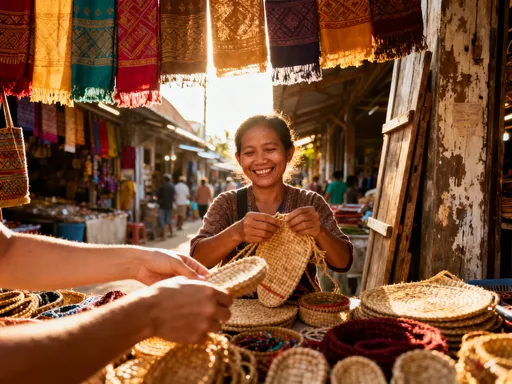
I also made a conscious choice to support small, local businesses. Instead of eating at international chains, I sought out family-run restaurants and street vendors. I bought souvenirs from artisans in Getsemaní, not from airport shops. I used local guides, not large tour companies. These choices weren’t sacrifices—they were enrichments. Every dollar spent locally helped sustain the community I had come to admire.
Balancing safety and openness was important. I stayed aware of my surroundings, avoided poorly lit areas at night, and kept valuables secure. But I didn’t let caution turn into isolation. I learned to trust my instincts, to read people, to know when to step back and when to step forward. The goal wasn’t to eliminate risk, but to travel with both eyes open—mindful, present, and engaged.
Why This City Stays With You
Months after returning home, Cartagena remains with me. It’s in the scent of coconut oil that reminds me of the sea, in the sound of salsa that makes me close my eyes and smile. It’s in the way I now approach travel—not as a checklist, but as a conversation. I no longer seek perfection. I seek presence. I no longer want to just see a place. I want to feel it, to be changed by it.
Cartagena didn’t just show me a new destination. It showed me a new way of being in the world. It reminded me that the most meaningful moments are often unplanned, that connection is more valuable than convenience, and that humility opens more doors than confidence ever could. It taught me to listen—to the music, to the stories, to the silence between words.
And so, if you go to Cartagena, I hope you come ready. Not with a long list of must-see spots, but with an open heart. Walk slowly. Smile at strangers. Say yes to the invitation you don’t fully understand. Eat the food you can’t pronounce. Let the rhythm of the city move through you. Because Cartagena isn’t just a place on a map. It’s a feeling. A reminder that when we truly arrive—when we放下 the camera, when we stop performing for the future—we become fully alive. And that, more than any souvenir, is what you’ll take home.