You Won’t Believe These Hidden Gems in Davao
Davao, Philippines, is more than just a quiet city in Mindanao—it’s a gateway to untouched beauty. From misty highlands to pristine beaches, the real magic lies off the tourist trail. I explored the scenic spots most travelers miss, and what I found was beyond expectations: lush waterfalls, quiet trails, and views that take your breath away. This is not your average tropical getaway—it’s a raw, authentic escape into nature’s best-kept secrets. While many tourists flock to more familiar islands like Boracay or Palawan, Davao remains refreshingly unspoiled, offering a peaceful alternative for those who seek serenity without sacrificing wonder. With its welcoming communities, clean streets, and seamless access to dramatic landscapes, Davao stands out as a destination where nature and tranquility coexist in perfect harmony.
Discovering Davao’s Underrated Landscape
Davao City often flies under the radar for international travelers, overshadowed by more widely promoted Philippine destinations. Misconceptions about Mindanao’s safety have deterred some visitors, but those who venture here discover a region that is not only secure but rich in natural splendor and cultural warmth. The city itself exudes a calm, orderly atmosphere—wide boulevards, well-kept public spaces, and a strong sense of civic pride. Yet just beyond its urban edges, the landscape transforms dramatically into rolling hills, dense forests, and cascading rivers. This seamless blend of peaceful city life and immediate access to wilderness makes Davao uniquely appealing, especially for families and solo travelers alike who value both comfort and adventure.
What sets Davao apart is its authenticity. Unlike heavily commercialized beach towns, this city has preserved its identity without catering solely to tourism. Locals greet strangers with genuine warmth, and the pace of life encourages mindfulness and presence. The surrounding province offers an abundance of natural attractions, many of which remain uncrowded due to their relative obscurity. Whether you're strolling through a downtown park or preparing for a mountain climb, Davao invites you to experience the Philippines as it truly is—diverse, resilient, and deeply connected to nature. For travelers tired of cookie-cutter resorts and packed itineraries, Davao presents a refreshing alternative: a destination where discovery feels personal and meaningful.
The contrast between Davao’s reputation and its actual offerings could not be starker. Often labeled as merely an administrative or agricultural hub, it surprises visitors with its scenic depth and ecological diversity. Within a one-hour drive from the city center, you can find yourself standing beneath a waterfall, hiking through a pine forest, or gazing at the Sibugay Gulf from a quiet cliffside. This proximity to nature enhances its appeal, allowing for flexible travel plans—day trips, weekend getaways, or extended stays. Davao proves that the most rewarding journeys are not always to the most advertised places, but to those that reveal themselves slowly, quietly, and with sincerity.
Eden Nature Park: Where the Clouds Meet the Trees
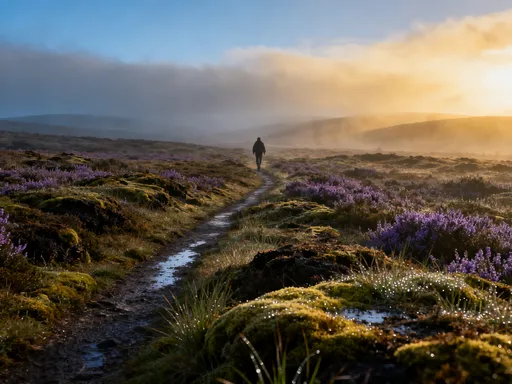
Nestled in the highlands of Toril, just a short drive from downtown Davao, Eden Nature Park offers a refreshing escape into cooler temperatures and serene landscapes. As you ascend into the hills, the air becomes noticeably crisper, and a gentle mist often drapes the treetops like a soft veil. The park spans several hectares of carefully preserved greenery, featuring winding walking trails lined with pine trees, flowering shrubs, and native orchids. Benches and viewing decks are thoughtfully placed along the path, inviting visitors to pause and absorb the panoramic views of the valley below. The atmosphere is one of quiet reverence, making it an ideal retreat for reflection, light exercise, or a peaceful family outing.
One of the most striking aspects of Eden Nature Park is its microclimate. Due to its elevation—approximately 800 meters above sea level—the temperature averages between 18°C and 22°C (64°F to 72°F), a welcome change from Davao’s tropical heat. This cooler environment supports a unique ecosystem where certain plants and flowers thrive, including hydrangeas, camellias, and wild ferns rarely seen at lower altitudes. Birdwatchers may spot bulbuls, sunbirds, and other highland species flitting among the branches. The park also features a small chapel and a man-made lake, adding to its tranquil ambiance. These elements combine to create a space that feels both cultivated and wild—a testament to thoughtful conservation.
For visitors planning a trip, the best time to visit Eden Nature Park is early in the morning, preferably between 7:00 and 9:00 AM. This timing allows you to experience the full effect of the morning mist and avoid the midday sun, even at this altitude. Wear comfortable walking shoes, as some trails are uneven, and bring a light jacket—the breeze can feel chilly, especially after rainfall. Entrance fees are modest and contribute to park maintenance, reflecting Davao’s commitment to sustainable tourism. Transportation is accessible via private vehicle or ride-hailing services, with the journey from central Davao taking about 45 minutes depending on traffic. There are no food stalls inside the park, so packing a small picnic is recommended, though visitors are encouraged to carry out all trash to preserve the area’s cleanliness.
People’s Park: A Surprisingly Serene Urban Escape
In the heart of Davao City lies People’s Park, a vibrant yet calming oasis that defies the typical chaos associated with urban centers. Opened in 2011, this award-winning public space has become a symbol of the city’s dedication to community well-being and environmental stewardship. Unlike conventional city parks, People’s Park blends art, horticulture, and interactivity in a way that engages all ages. Lush gardens bloom with seasonal flowers, winding pathways guide visitors past sculptural installations, and a dedicated butterfly sanctuary flutters with native species. Despite its central location along Roxas Avenue, the park maintains a peaceful atmosphere, shielded from traffic noise by thick vegetation and thoughtful design.
The butterfly sanctuary is one of the park’s most beloved features. Enclosed in a fine mesh dome, it houses dozens of indigenous butterfly species, including the striking Rajah Brooke’s birdwing and the delicate lime butterfly. Educational signage explains the life cycle of these insects and the importance of pollinators in the ecosystem. Children often stand mesmerized as butterflies land on their arms or flutter just inches from their faces. The garden outside the dome is planted with host and nectar plants to support butterfly populations year-round, reinforcing the park’s role in urban conservation. Benches and shaded pavilions provide rest spots, while clean restrooms and drinking fountains reflect the city’s attention to public health and accessibility.
What truly sets People’s Park apart is its sense of ownership by the community. Locals come here to jog, read, or simply sit and enjoy the breeze. On weekends, families gather for quiet picnics, and seniors practice tai chi in open grassy areas. The park is impeccably maintained, a point of pride for Davaoeños, and its success has inspired similar projects across the region. It stands as a model of how urban planning can enhance quality of life without grand expenditures. For visitors, it offers a gentle introduction to Davao’s character—orderly, green, and deeply rooted in a respect for nature. Entry is free, and the park is open daily from early morning until evening, making it an accessible and uplifting stop on any itinerary.
Malagos Garden Resort: Waterfalls and Wings
About 30 kilometers from Davao City, Malagos Garden Resort offers a comprehensive nature experience that combines relaxation, education, and conservation. This eco-conscious destination is best known for its butterfly farm, the first of its kind in the Philippines to earn international certification. Here, hundreds of butterflies—many bred on-site—float freely in a large, climate-controlled pavilion. Visitors walk along elevated wooden paths, observing species like the blue moon, paper kite, and great orange tip in their natural behaviors. Knowledgeable guides explain the breeding process, habitat needs, and threats to butterfly populations, turning the visit into an immersive environmental lesson suitable for both children and adults.
Beyond the butterfly sanctuary, the resort boasts a refreshing natural pool fed by a small waterfall. The water is clean, cool, and surrounded by tropical foliage, creating a private, garden-like swimming experience. Changing rooms, lockers, and showers are available, and the area is well supervised, making it safe for families. For bird enthusiasts, Malagos is home to the Philippine Eagle Foundation’s conservation center, where rescued eagles are rehabilitated. While public viewing is limited to ensure minimal stress on the birds, guided tours offer rare opportunities to see these majestic raptors up close. The Philippine eagle, a national symbol, is critically endangered, and the foundation’s work is a vital part of its survival.
Planning a visit requires some preparation. The resort operates on a reservation system, especially on weekends and holidays, to manage visitor numbers and maintain ecological balance. Entrance fees are reasonable and include access to most attractions, though guided tours and certain activities may incur additional costs. The resort also features a café serving organic, locally sourced dishes, including Davao’s famous pomelo and durian-based desserts. Picnic areas are available for those who prefer to bring their own food. Given its focus on sustainability, plastic use is discouraged, and waste segregation is strictly enforced. Malagos Garden Resort exemplifies how tourism can support conservation—every ticket contributes to wildlife protection and environmental education.
Samal Island: More Than Just a Beach Getaway
A short boat ride from Davao City brings you to Samal Island, a tropical paradise that offers far more than sunbathing and swimming. Officially part of the Island Garden City of Samal, this destination blends coastal beauty with lush interior landscapes. The journey across the Davao Gulf takes about 30 minutes by ferry or 10 minutes by fast craft, providing scenic views of the coastline and passing fishing boats. Upon arrival, visitors are greeted by a relaxed island rhythm and a landscape dominated by coconut groves, limestone cliffs, and hidden waterfalls. While many come for the beaches, the island’s true treasures lie inland—places like Hagimit Falls, where cascades tumble into emerald pools surrounded by dense jungle.
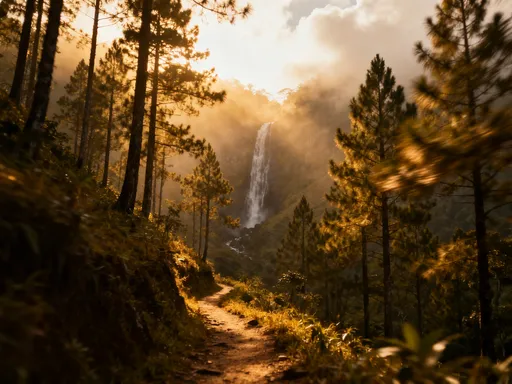
Hagimit Falls is one of Samal’s most enchanting natural attractions. The trail leading to it winds through a shaded forest, with wooden bridges crossing small streams and rock formations carved by centuries of water flow. The falls themselves consist of multiple tiers, with the lower levels ideal for safe wading and the upper sections offering more adventurous climbing spots. The water is refreshingly cool, and the surrounding area is kept clean by local caretakers. Changing rooms and basic amenities are available, and guided tours can enhance the experience with insights into local flora and legends tied to the site. Because it is not overly developed, Hagimit retains a sense of discovery, as if you’ve stumbled upon a secret known only to a few.
Another highlight is Pink Sandy Beach, a rare geological formation where crushed coral gives the sand a soft pink hue. Unlike artificial “pink sand” beaches elsewhere, this one is entirely natural and unspoiled. The water is calm and clear, perfect for swimming and snorkeling. The area is protected, with strict rules against littering and coral harvesting, ensuring its long-term preservation. For those considering an overnight stay, Samal offers a range of accommodations—from eco-lodges to beachfront resorts—many of which support local employment and sustainable practices. Whether you spend a day or several, Samal Island reveals the depth of Mindanao’s beauty, proving that the most memorable experiences often come from venturing beyond the shoreline.
Mount Apo: For Those Who Crave the Summit
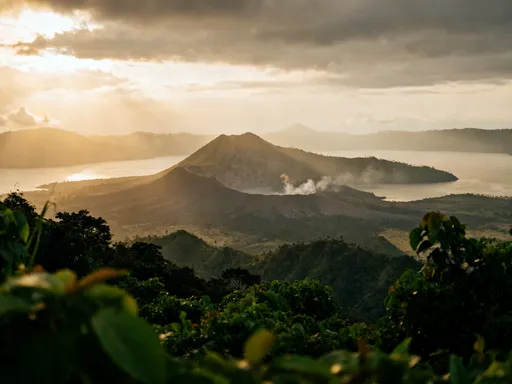
Rising to 2,954 meters (9,692 feet), Mount Apo is the highest peak in the Philippines and a dream destination for serious trekkers and nature lovers. Located about two hours from Davao City, this dormant volcano straddles the border between Davao and Cotabato provinces. Its slopes are covered in diverse ecosystems—from tropical rainforest at the base to mossy cloud forest near the summit. Along the way, hikers may encounter wild orchids, pitcher plants, and even the rare Apo banana, found nowhere else on Earth. Birdwatchers keep their binoculars ready for sightings of the Apo myna, Philippine trogon, and, with luck, the elusive Philippine eagle soaring above the canopy.
There are several trails to the summit, each offering a different level of challenge and scenery. The most popular route starts in Kidapawan (via Sta. Cruz), while the Magdiwata Trail begins in Davao’s Kinablan area. These multi-day hikes typically take three days round-trip, requiring overnight camping at designated sites. Proper preparation is essential: hikers must secure permits through local government or accredited tour operators, hire experienced guides, and carry sufficient supplies. The terrain can be steep and slippery, especially after rain, and temperatures at the summit can drop below 10°C (50°F) at dawn. Physical fitness, mental readiness, and respect for nature are non-negotiable for a safe and rewarding climb.
Mount Apo is not just a physical challenge; it is also a cultural and spiritual landmark for indigenous communities like the Bagobo and Manobo people, who consider it sacred. Visitors are expected to follow strict environmental guidelines—pack in, pack out all waste, avoid loud noises, and refrain from removing plants or rocks. The sense of accomplishment upon reaching the summit is profound, especially at sunrise, when the first light spills over the horizon and the vastness of Mindanao unfolds below. For those seeking a transformative journey, Mount Apo offers not just a view, but a deep connection to the land and its enduring spirit.
Why Davao’s Scenic Spots Deserve Your Attention
The true value of Davao’s hidden gems lies not just in their beauty, but in what they represent—a slower, more intentional way of traveling. In an age where popular destinations are often overcrowded and overpriced, Davao offers a refreshing alternative: places where nature remains unspoiled, where communities welcome guests with sincerity, and where every experience feels authentic. By choosing to visit these lesser-known spots, travelers contribute to sustainable tourism, helping local economies thrive without sacrificing environmental integrity. Entrance fees, guided tours, and eco-lodges provide income for residents, encouraging the preservation of natural sites rather than their exploitation.
Moreover, exploring Davao fosters a deeper appreciation for the Philippines beyond its postcard-perfect beaches. It reveals a country of contrasts—urban and rural, modern and traditional, accessible and remote. It challenges outdated perceptions and highlights the resilience and pride of Mindanao’s people. When visitors engage respectfully—with open minds and closed trash bags—they become part of a positive cycle that benefits everyone. Conservation efforts at places like Malagos and Mount Apo depend on public awareness and support, and every responsible traveler adds to that momentum.
Ultimately, Davao invites us to rediscover the joy of exploration—not through checklist tourism, but through meaningful connection. It reminds us that wonder doesn’t always require far-flung destinations or luxury resorts. Sometimes, it’s found in a misty highland garden, a quiet city park, or a mountain summit reached after days of effort. The journey to Davao’s scenic spots is not just about seeing new places, but about seeing ourselves differently—slower, more present, more grateful. So pack your bag, lace your shoes, and set out with curiosity. The best-kept secrets of the Philippines are waiting, not in the spotlight, but in the quiet spaces where nature still speaks for itself.